
DENTAL PRACTICE DESIGN IN THE FINANCIAL DISTRICT AND SOMA
Pacific Heights and Cow Hollow represent San Francisco's most established private-pay dental market. Patients here are long-tenured residents who value clinical excellence, discretion, and environments that feel permanent rather than recently renovated. This is a neighborhood where practices are often generational, and where the design of the space must signal that the practice intends to be there for the long term.

THE FINANCIAL DISTRICT AND SOMA PATIENT PROFILE
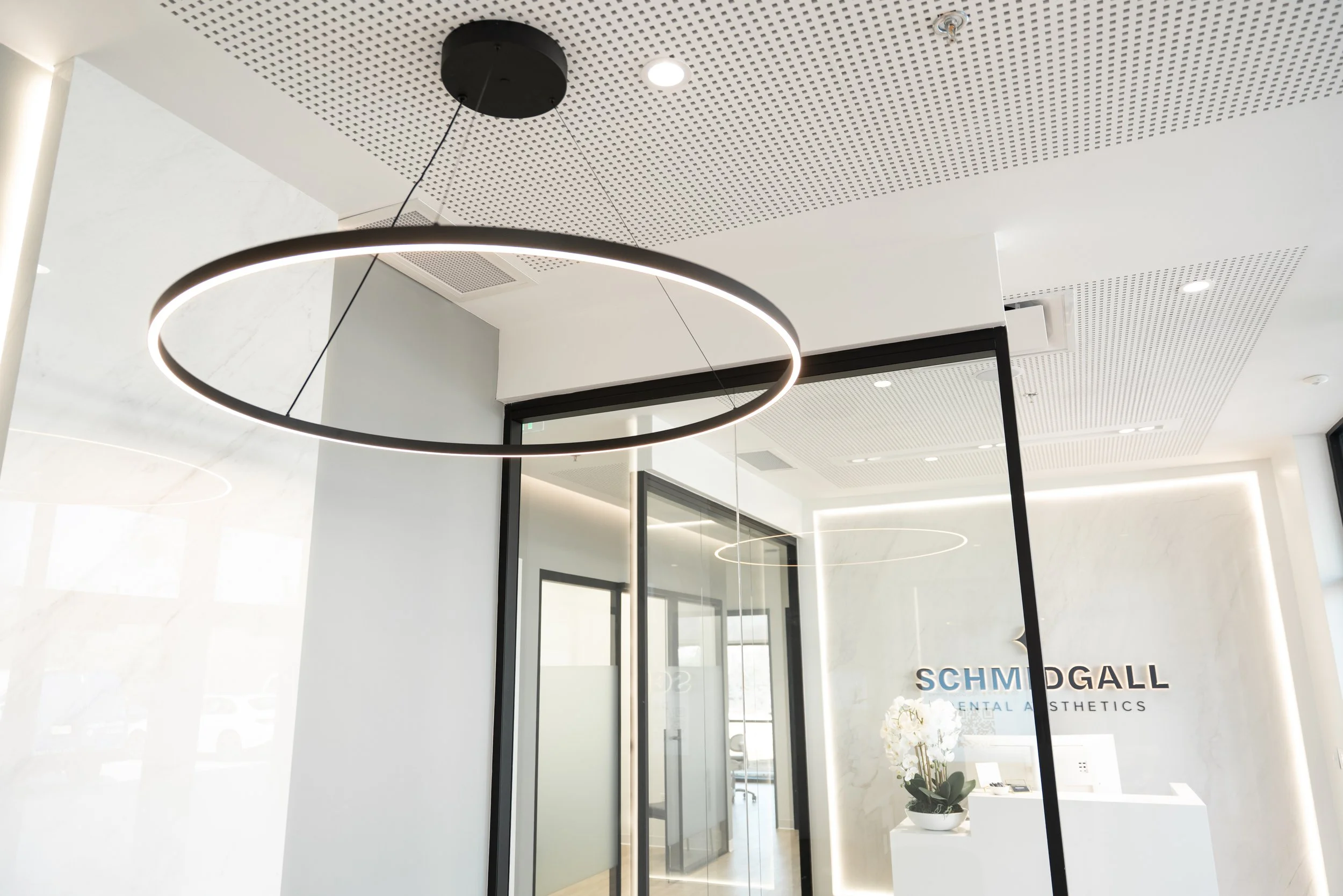
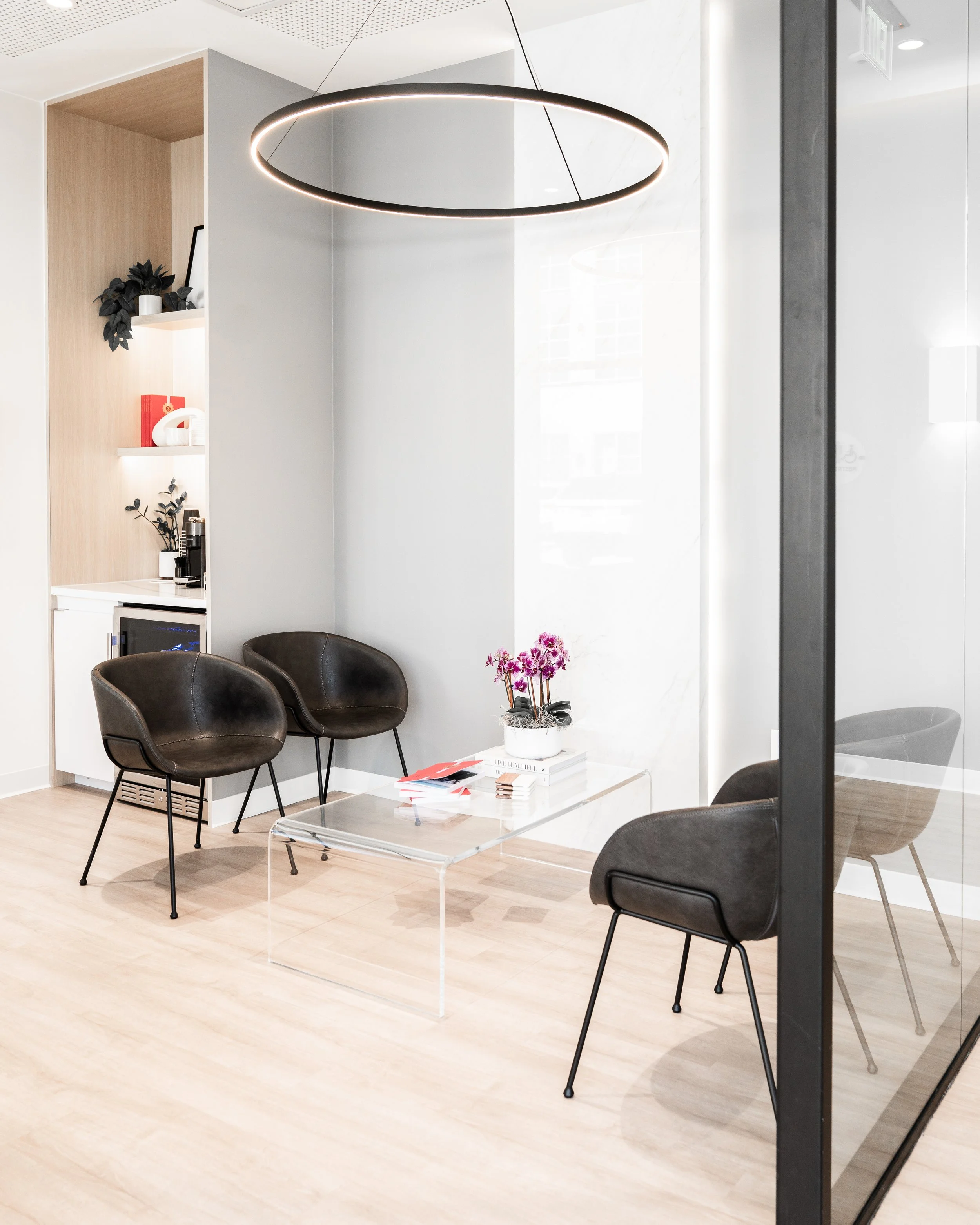
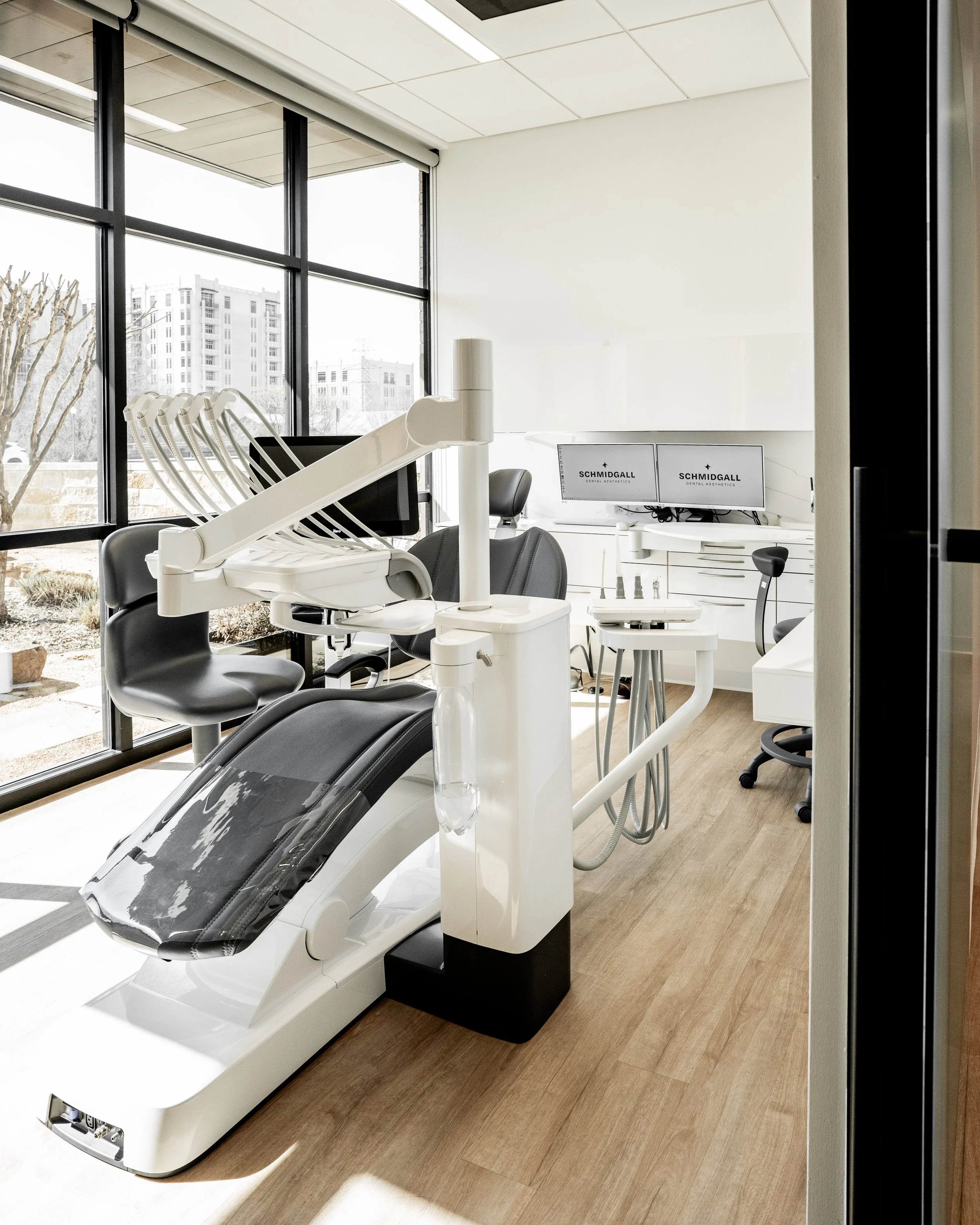
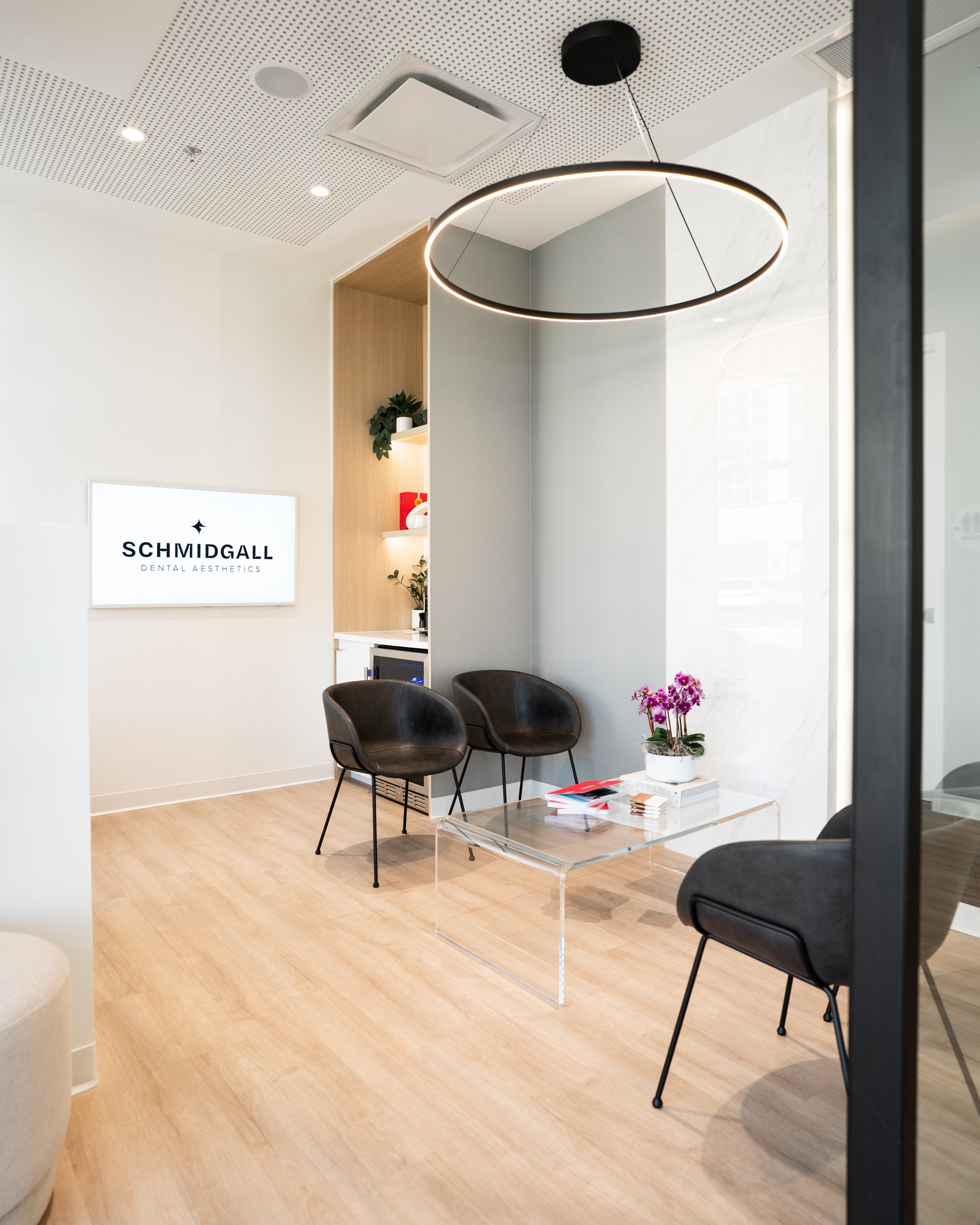
In markets like SoMa, the practice environment becomes part of the clinical brand. Kappler's integrated approach brings architectural planning, construction coordination, interior detailing, and custom cabinetry into a single framework so the finished practice performs as a unified system.
-
SoMa offers significant adaptive reuse opportunity. Converted warehouse and commercial spaces provide generous ceiling heights, open floorplates, and architectural character that newer construction cannot replicate. The planning challenge in these spaces is not creating character but organizing it: zoning clinical and public functions clearly within open or irregular floorplates while preserving the spatial qualities that make the building interesting.
Financial District practices more commonly occupy commercial office buildings where infrastructure is accommodating but spatial conditions are more conventional. In both contexts, operational efficiency is the primary design driver
-
Dental office design in this corridor works best when it engages the existing architectural conditions rather than covering them. Patients who work in well-designed environments recognize immediately when a space was designed with intelligence versus when it was decorated. The distinction matters here more than in most markets.
Spatial logic that is immediately legible for both patients and staff
Design that engages the architectural character of the space rather than covering it
Material and lighting choices that feel deliberate and considered
Cabinetry integrated into the workflow so that clinical function disappears into the architecture
-
In SoMa and Financial District practices, cabinetry systems do the organizational work that allows larger or more open spaces to feel purposeful rather than cavernous. Custom solutions calibrated to the specific workflow of the practice, rather than adapted from standard configurations, support both operational efficiency and the visual coherence this patient demographic expects. Kappler's integrated approach ensures cabinetry, layout, and infrastructure planning work together from the start rather than being reconciled after construction begins.
-
Practices serving a professional and technology-industry patient demographic
Clinicians entering San Francisco with a modern point of view and operational discipline
Operators comfortable with the planning complexity of adaptive reuse environments
FEATURED IN



GET IN TOUCH
Are you ready to transform your practice? Let us dream big together, reach out today and take the first step toward your future.