
DENTAL OFFICE DESIGN IN DALLAS-FORT WORTH TEXAS
Dallas-Fort Worth is a growth market defined by expansion, relocation, and long-term opportunity. The region offers flexibility and scale that most coastal markets cannot match, but that flexibility introduces its own complexity. Larger footprints, dispersed suburban development, and competitive clinical corridors require discipline early in the planning process.
Planning a dental office build-out in Dallas-Fort Worth is not simply a construction exercise. Site selection, infrastructure capacity, layout clarity, and long-term operational flow determine whether a project performs five years from now, not just at opening.
This collection is designed for clinicians evaluating a dental practice build-out in Dallas, expanding into a new DFW corridor, or repositioning an existing practice with long-term performance in mind.
-
Kappler is a design and planning firm specializing in dental practice environments. The firm works with established private-pay clinicians to design and coordinate dental office build-outs across Dallas-Fort Worth, including growth corridors in Frisco, Plano, Southlake, Uptown Dallas, and Westlake.
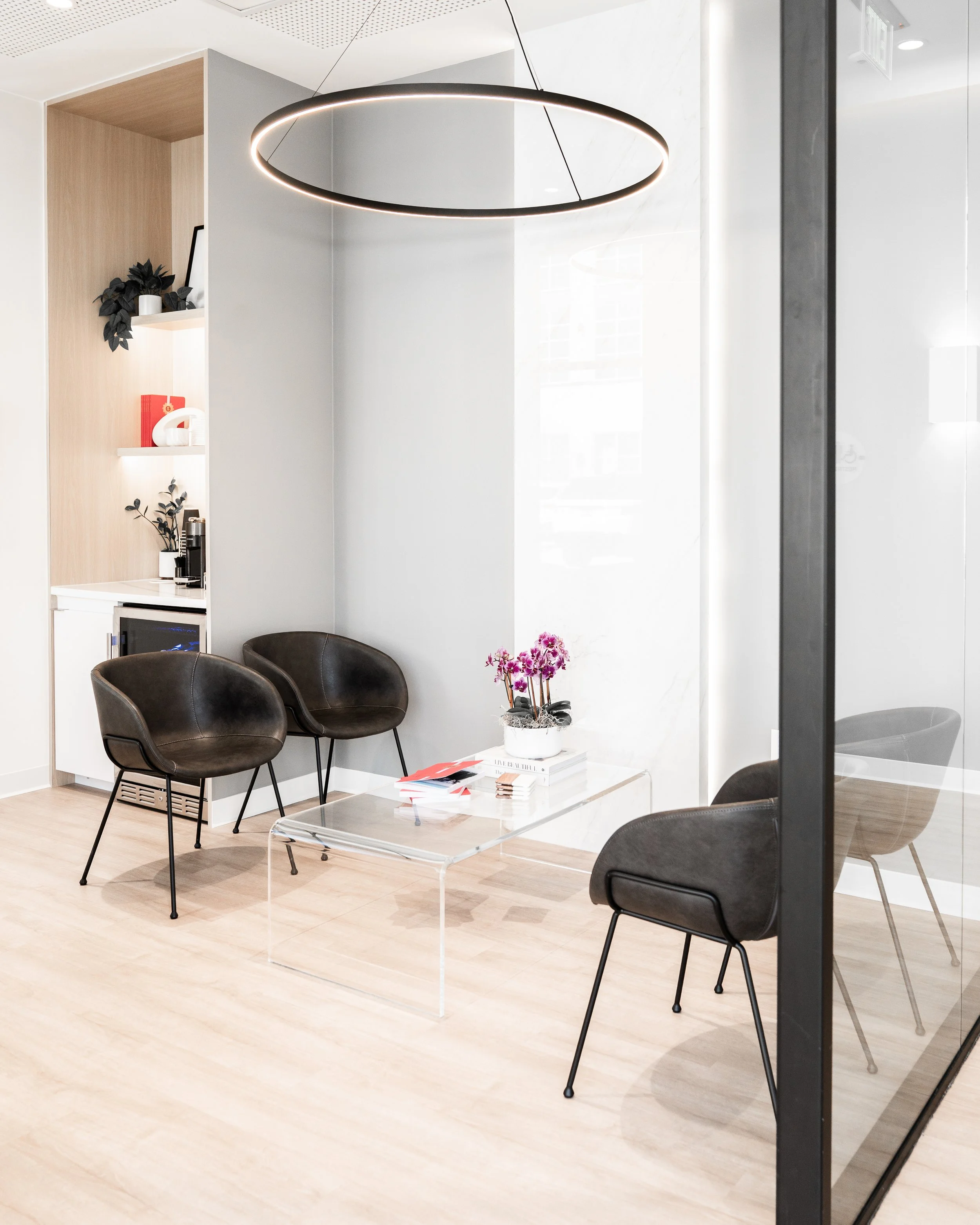
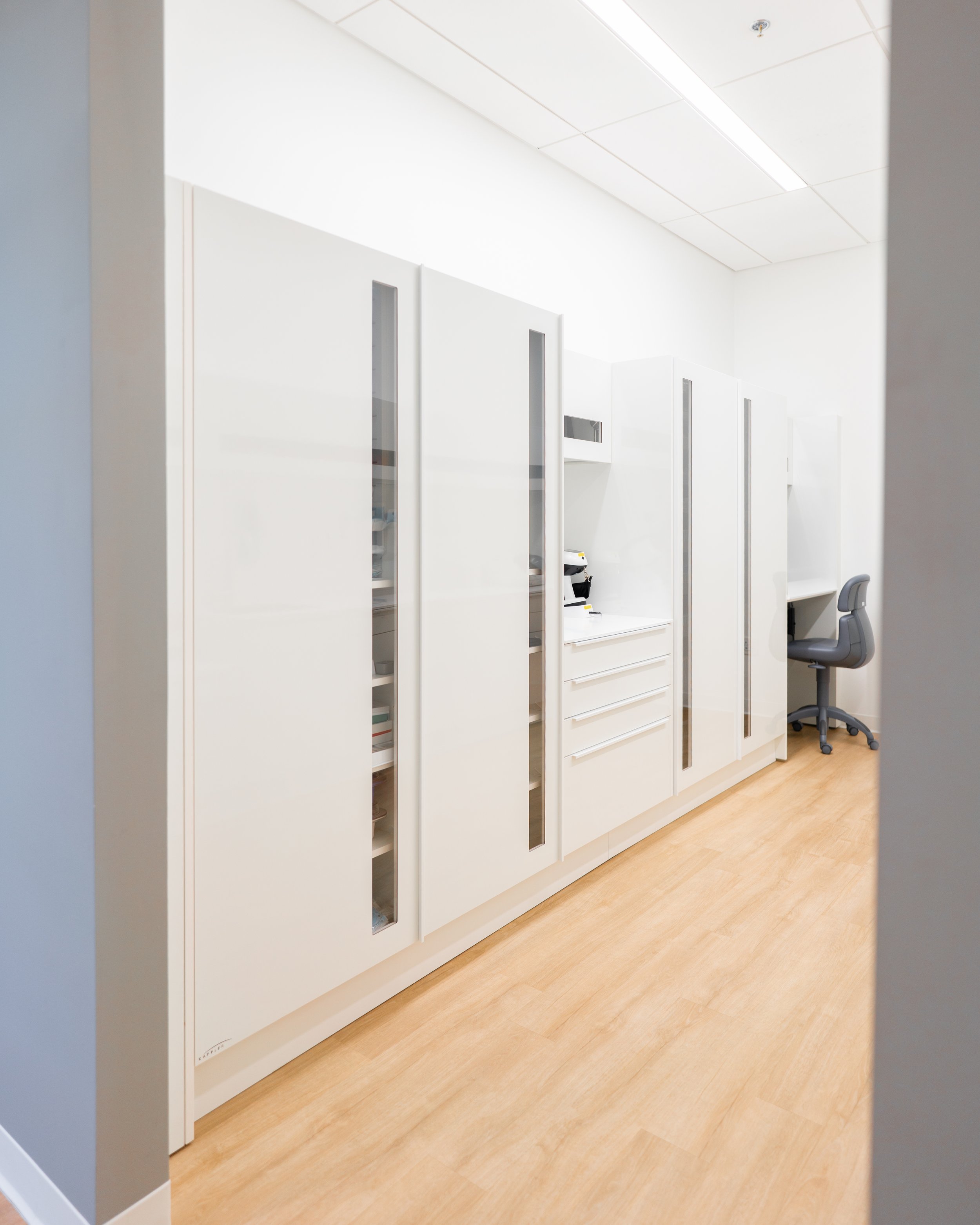
Kappler's integrated approach brings architectural planning, construction coordination, interior systems, and custom dental cabinetry into a unified framework so the finished practice performs as a cohesive clinical environment from day one.
-
Kappler designs and coordinates dental practice environments for private-pay clinicians. Services include:
Dental practice design and architectural planning
Dental office build-out coordination across DFW submarkets
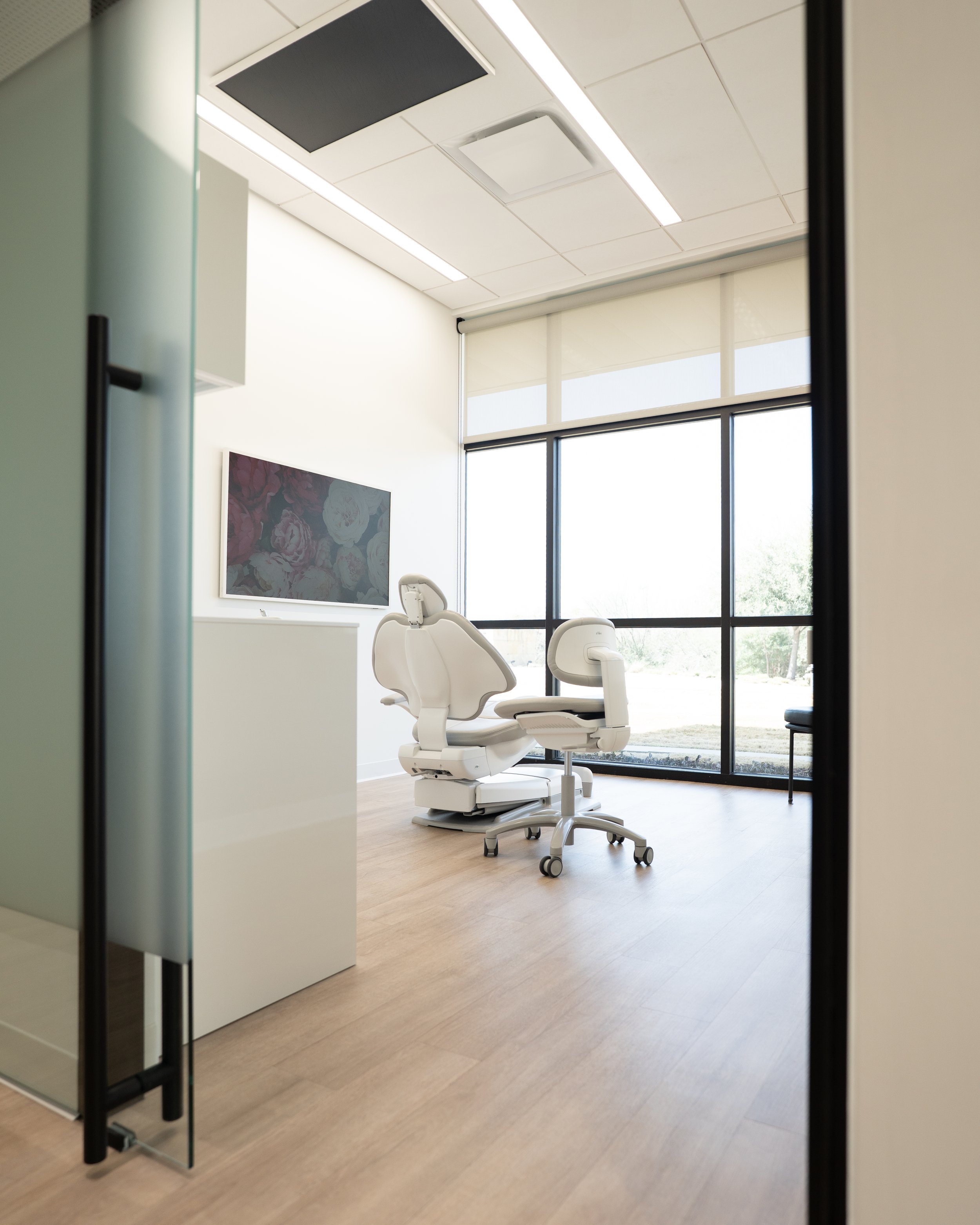
Interior integration and equipment layout
Custom dental cabinetry
Design strategy for expansion and repositioning practices
-
Dallas-Fort Worth supports a wide range of dental office construction project types: ground-up commercial development, build-outs within medical office buildings, retail-to-medical conversions, multi-suite expansions, and suburban relocation projects. Search behavior in this market reflects that range. Terms such as dental practice build out Dallas, dental office construction DFW, and design-build dental contractor Dallas represent common entry points for clinicians early in the planning process.
Unlike dense vertical markets, many Dallas-Fort Worth dental office construction projects occur in suburban retail centers, free-standing commercial buildings, new medical developments, and large multi-tenant suites. That flexibility creates opportunity, and the risk of an oversized, underplanned space. Many clinicians begin with a contractor and later recognize the need for architectural alignment, layout refinement, or interior cohesion. Early planning decisions often influence cost and operational efficiency more than any subsequent choice.
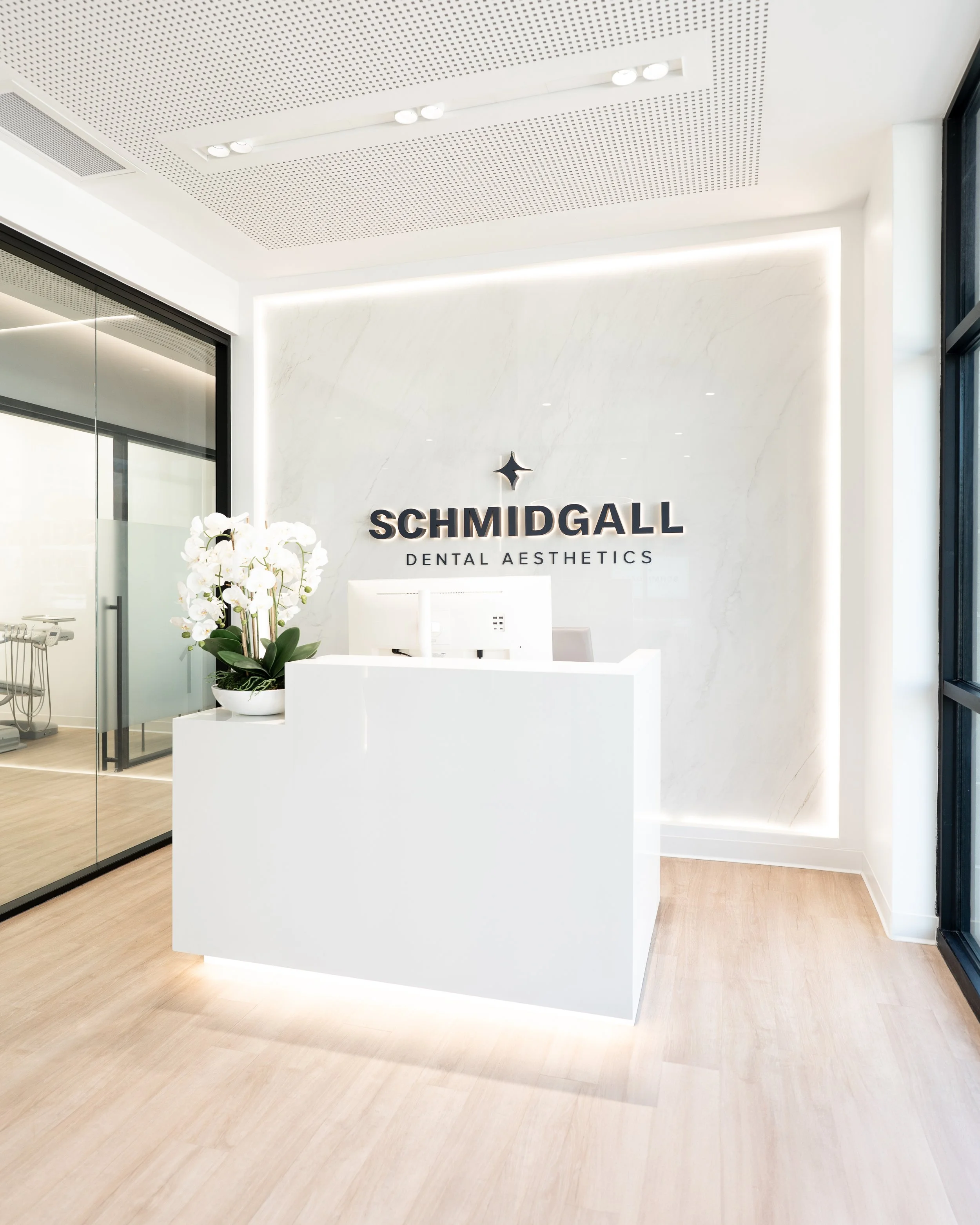
WHO THRIVES HERE
The practices that succeed in Dallas-Fort Worth tend to share common traits:
Established clinicians relocating into growth corridors or building second and third locations
Operators repositioning existing practices with long-term performance in mind
Practices that approach planning with intention rather than reacting to available space
Clinicians who understand that larger square footage requires more discipline, not less
DFW rewards practices that plan carefully from the outset. Generous space can quickly become operationally inefficient without disciplined zoning, infrastructure evaluation, and interior integration.
-
Kappler designs and coordinates dental practice build-outs in Dallas-Fort Worth with an integrated approach spanning architectural planning, construction coordination, interior integration, and custom cabinetry, aligned as a unified system rather than fragmented disciplines.
Whether managing a full design-build dental project in Dallas or stepping into an existing build to provide architectural alignment or interior direction, clarity and coordination remain the priority. In DFW, fragmentation between architect, contractor, and interior designer introduces the kind of friction that is far easier to prevent than to correct mid-build.
-
Key planning considerations in the DFW market include:
Mechanical capacity and duct routing within larger commercial structures
Plumbing distribution and infrastructure for future operatory expansion
Ceiling height constraints that affect clinical and aesthetic decisions
Electrical load requirements for modern dental equipment
Phased build-out sequencing to protect timeline and budget
When interior detailing is integrated into the architectural framework from the start, cabinetry, lighting, and spatial flow reinforce each other. When handled separately, revisions follow. The strongest dental office projects in Dallas are those where layout, construction, and interior execution are aligned from the beginning, not reconciled at the end.
-
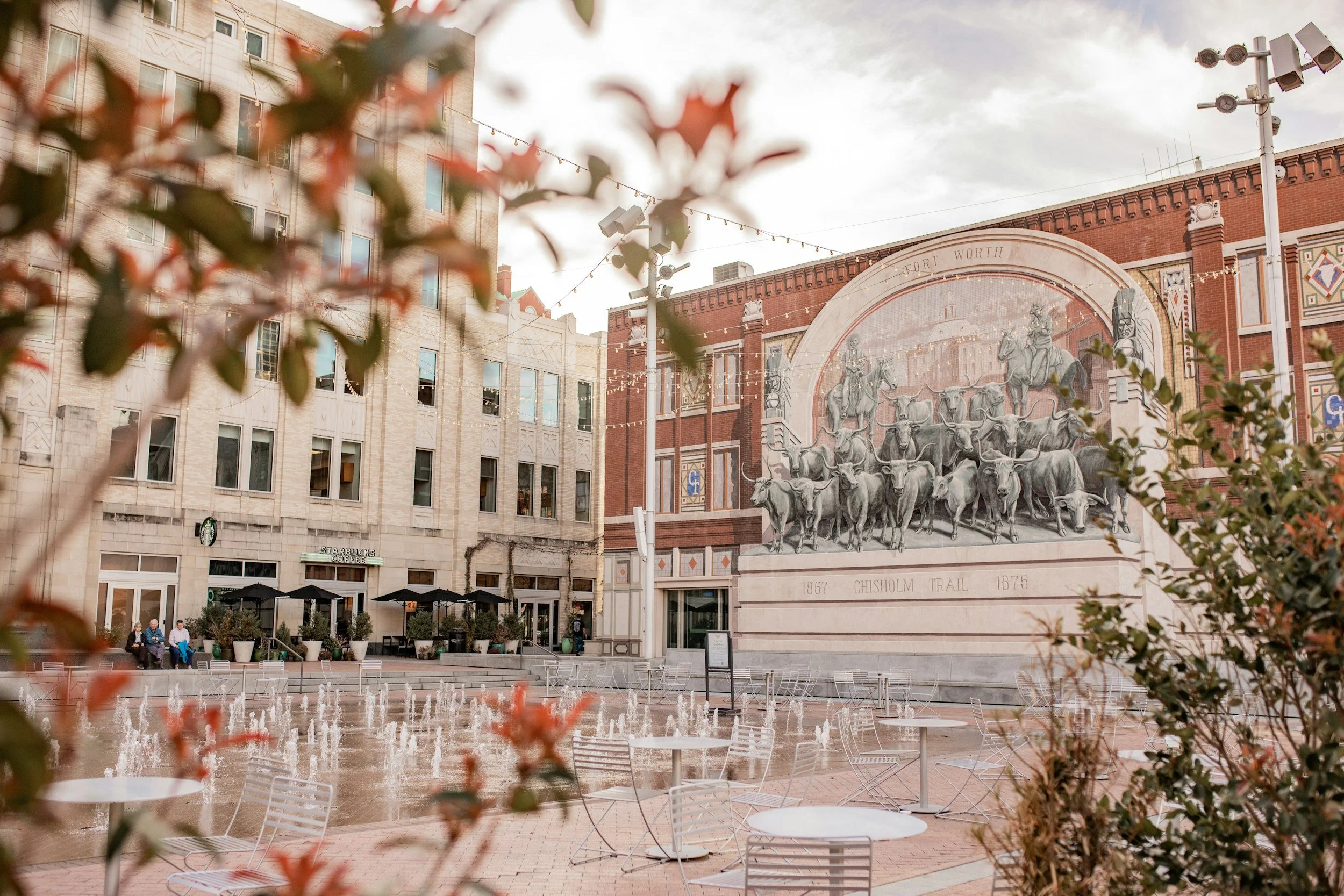
Dallas-Fort Worth is not a single market. It is a network of distinct submarkets, each with its own patient demographics, real estate dynamics, and planning considerations. The corridors below represent environments where Kappler's integrated approach aligns with long-term practice performance.
Uptown Dallas: professional density, urban visibility, compact efficiency
Highland Park and University Park: established wealth, generational trust, renovation-driven
Frisco and Plano: rapid growth corridors, scalable infrastructure, new development
Southlake and Colleyville: affluent suburban positioning, larger footprints, high expectations
Fort Worth Cultural District: measured growth, institutional proximity, existing building constraints
Westlake and Trophy Club: executive demographics, controlled development, boutique medical
-
If you are evaluating a dental office build-out in Dallas or considering a repositioning project within the DFW Metroplex, the planning decisions made before a contractor is engaged will shape everything that follows. Site selection influences infrastructure feasibility. Layout decisions affect construction cost. Cabinetry integration affects long-term efficiency.
Kappler works with established clinicians to coordinate architecture, interior systems, and cabinetry into a cohesive practice environment designed for long-term performance. The earlier that coordination begins, the more it protects.
FEATURED IN



COMMON QUESTIONS ABOUT DENTAL PRACTICE DESIGN IN DALLAS-FORT WORTH TEXAS
-
A dental office build-out in DFW typically involves site selection, architectural planning, construction coordination, equipment layout, interior integration, and custom cabinetry. In larger suburban footprints, infrastructure planning for future expansion is also a critical early decision.
-
Planning ideally begins before a lease is signed. Infrastructure capacity, layout efficiency, and cabinetry integration are most effectively addressed before construction constraints are set. Early planning decisions have more impact on long-term performance than any decision made after construction begins.
-
DFW's suburban development patterns and larger available footprints create both opportunity and planning risk. Square footage that is not organized with discipline becomes operationally inefficient regardless of finish quality. The most successful DFW practices are those planned as cohesive systems from the outset.
-
Kappler works across urban and suburban DFW corridors including Uptown Dallas, Highland Park, Frisco, Plano, Southlake, Colleyville, Fort Worth, Westlake, and Trophy Club. Each corridor requires a distinct approach based on patient demographics, real estate conditions, and build type.
GET IN TOUCH
Are you ready to transform your practice? Let us dream big together, reach out today and take the first step toward your future.