
DENTAL PRACTICE DESIGN IN CORAL GABLES
Coral Gables operates on continuity. Its Mediterranean Revival architecture, tree-lined streets, and long-established residential character create a patient demographic that values discretion, permanence, and relationship-driven care. Dental practice renovations in Coral Gables frequently occur within existing commercial properties. The work must honor the continuity that patients already associate with the neighborhood.

THE CORAL GABLES PATIENT PROFILE
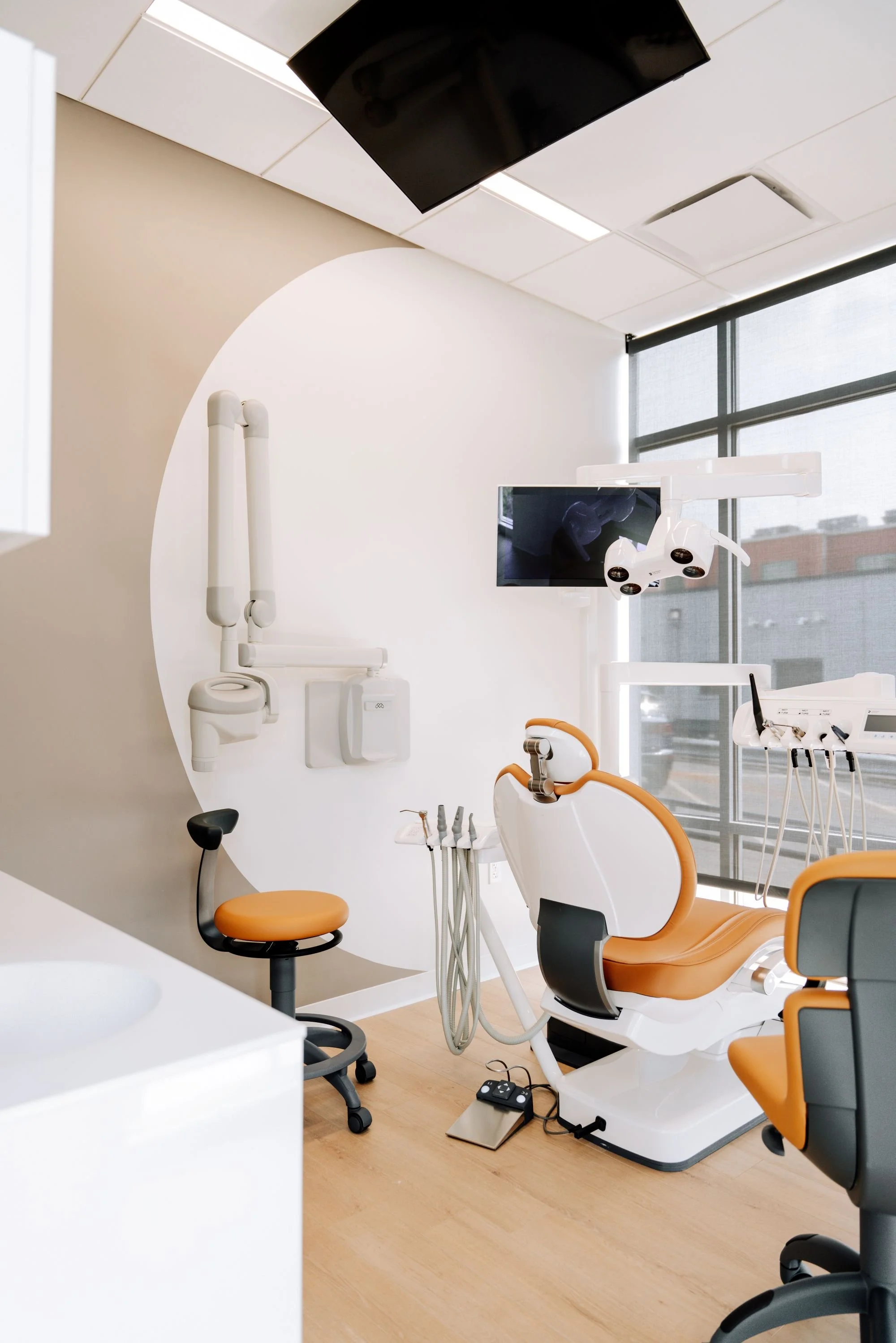
In markets like Coral Gables, the practice environment becomes part of the clinical brand. Kappler's integrated approach brings architectural planning, construction coordination, interior detailing, and custom cabinetry into a single framework so the finished practice performs as a unified system.
-
Build-out projects in Coral Gables are often renovation-driven, within structures that have served professional tenants for decades. The surrounding architectural character sets expectations that the practice environment must reflect. Not by mimicking the exterior, but by sharing its sensibility: considered, durable, and free of trend-driven choices that will date quickly.
Infrastructure evaluation is important here. Older commercial properties may require mechanical and plumbing assessment before design can move forward. Surfacing these conditions early protects both timeline and budget.
-
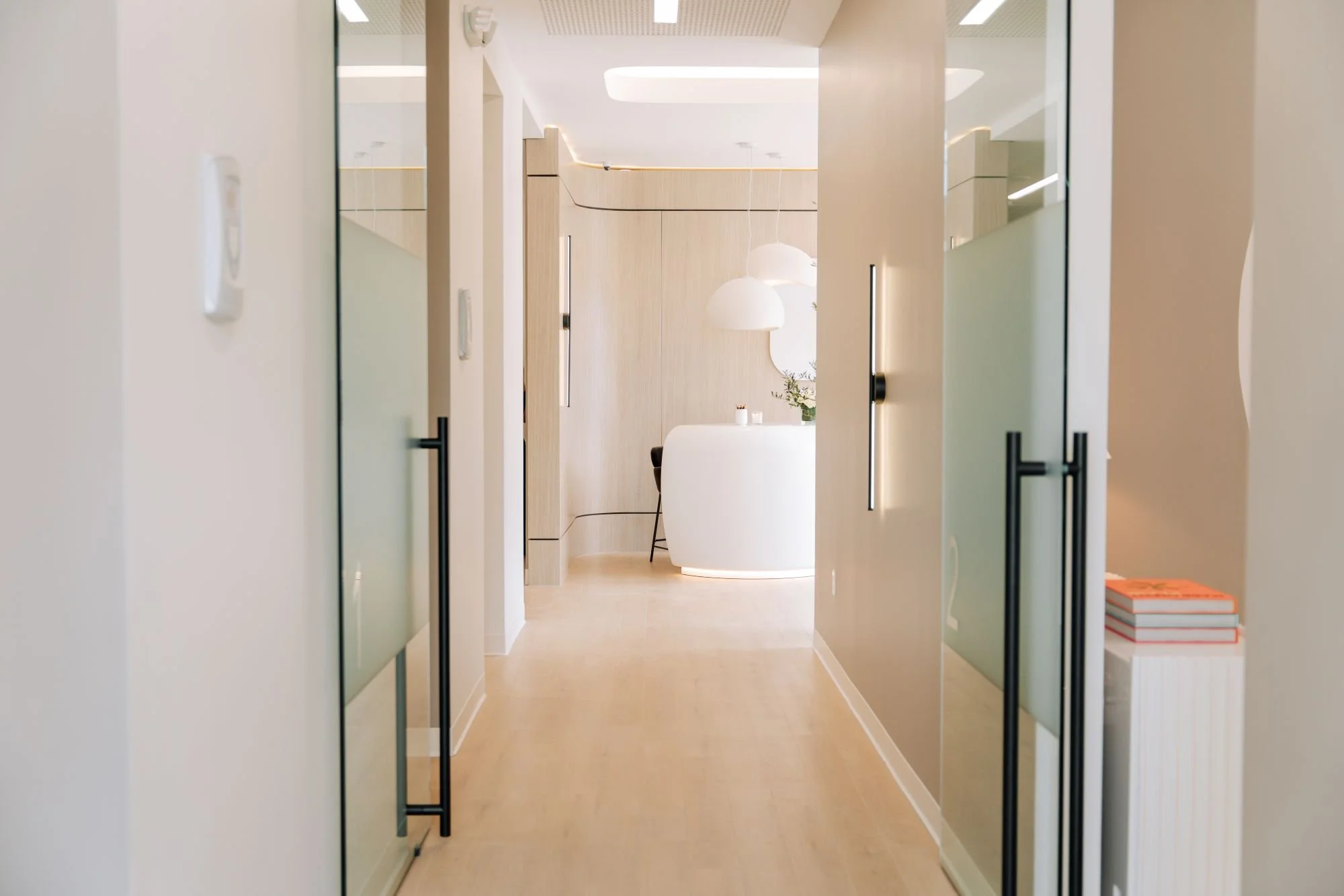
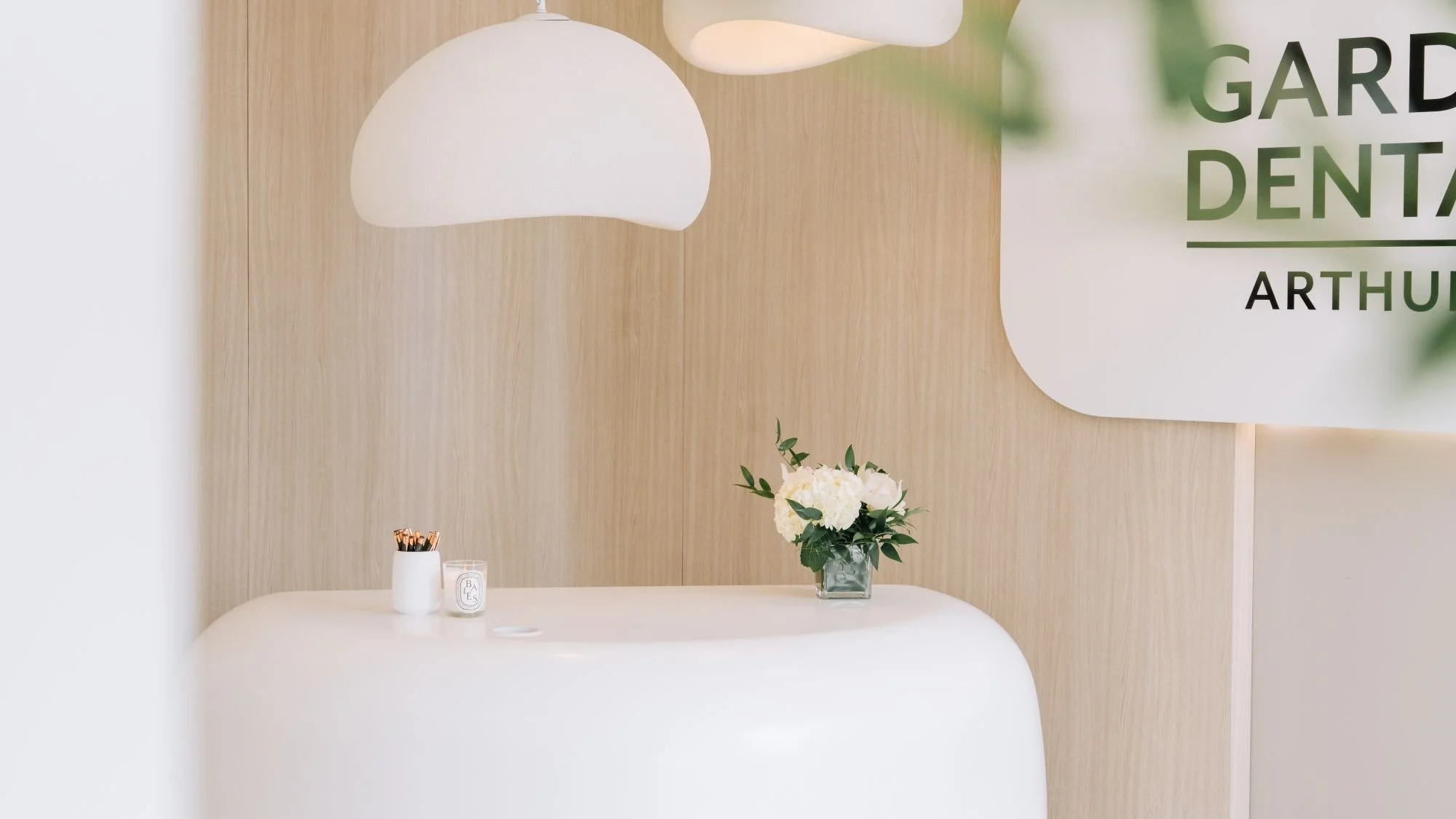
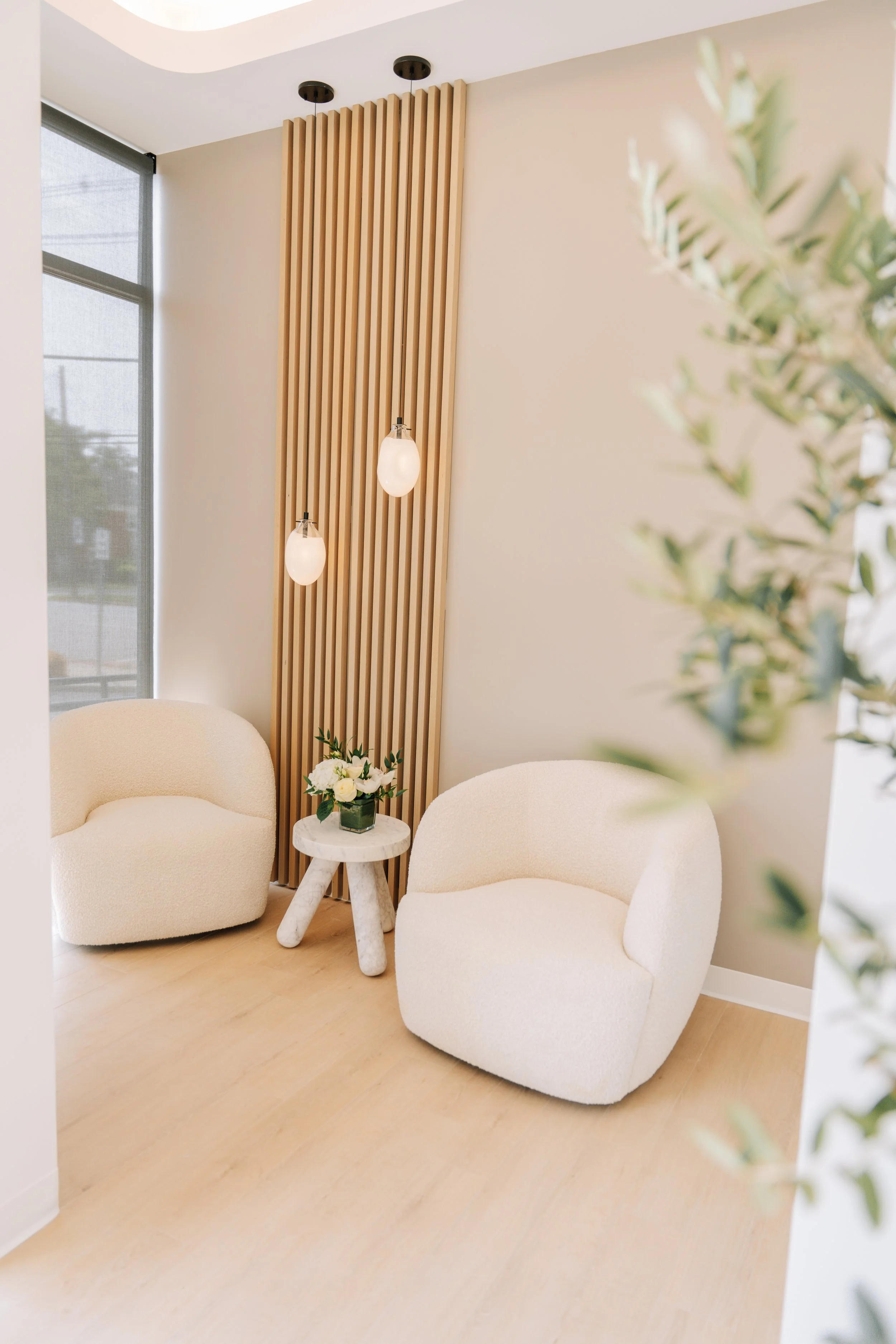
Design in Coral Gables works best when it feels rooted and proportionate. Patients here are not responding to novelty. They are responding to environments that feel trustworthy and established. Materials should feel enduring. Spatial planning should prioritize privacy and acoustic calm. Nothing should feel recently imported from a trendier neighborhood.
Enduring material selections that hold their quality over a 10-to-15-year horizon
Privacy at entry and throughout the patient journey
Acoustic control between treatment and consultation areas
Cabinetry that integrates with the architectural character of the building rather than contrasting with it
-
In compact Coral Gables, custom cabinetry carries significant organizational weight. For many Coral Gables practices, the integration process begins with cabinetry. When designed alongside layout and lighting as part of a unified system, the practice holds together visually under the scrutiny of a patient demographic that notices detail.
-
Established private-pay clinicians entering Miami with a clear positioning strategy
Multi-location practices building a Miami presence consistent with their broader brand
Operators serving a professional and internationally mobile patient demographic
FEATURED IN



GET IN TOUCH
Are you ready to transform your practice? Let us dream big together, reach out today and take the first step toward your future.