
DENTAL OFFICE DESIGN IN TORONTO
Toronto is a serious private-pay dental market, and it rewards preparation. The patient base is highly educated, internationally connected, and used to evaluating a clinical environment against a global standard. The city has a real architectural culture, which means spatial quality and material honesty are legible here at a level of nuance most markets never require. For a clinician who approaches it with discipline, Toronto supports a practice that performs for decades.
What Toronto does not reward is the assumption that a strategy built for another market will transfer. The regulatory environment operates on its own timeline, the building stock varies enormously between corridors, and patient expectation shifts materially between Yorkville and Davisville.
This collection is written for established clinicians evaluating a dental office build in Toronto, expanding within an existing corridor, or rebuilding a practice to compete at the top of the market. It covers what Toronto expects, what its buildings allow, and what has to be settled before a contractor is engaged.

-
Kappler is a fourth-generation healthcare architecture firm. Berta and Erwin Kappler opened a millwork shop in Pfalzgrafenweiler, in the Black Forest, in 1947. In 1960 their son Rudi turned the company toward medicine at the request of a physician who wanted his practice to run with the precision Rudi's father gave a cabinet. The discipline transferred completely, and every cabinet still ships from a German millwork floor in the same town.
In Toronto, Kappler works with established private-pay clinicians across Yorkville, Rosedale, Forest Hill, King West, Queen West, and Midtown. Architectural planning, construction coordination, interior systems, and custom dental cabinetry are held under one roof, so the finished practice performs as one clinical environment from the day it opens rather than as four disciplines reconciled at the end.
Est. 1947 — Pfalzgrafenweiler — Black Forest — Made in Germany
-
Kappler designs and builds full ground-up dental environments. Work includes:
Dental practice design and architectural planning
Full build coordination across Toronto corridors, including older commercial and residential building stock
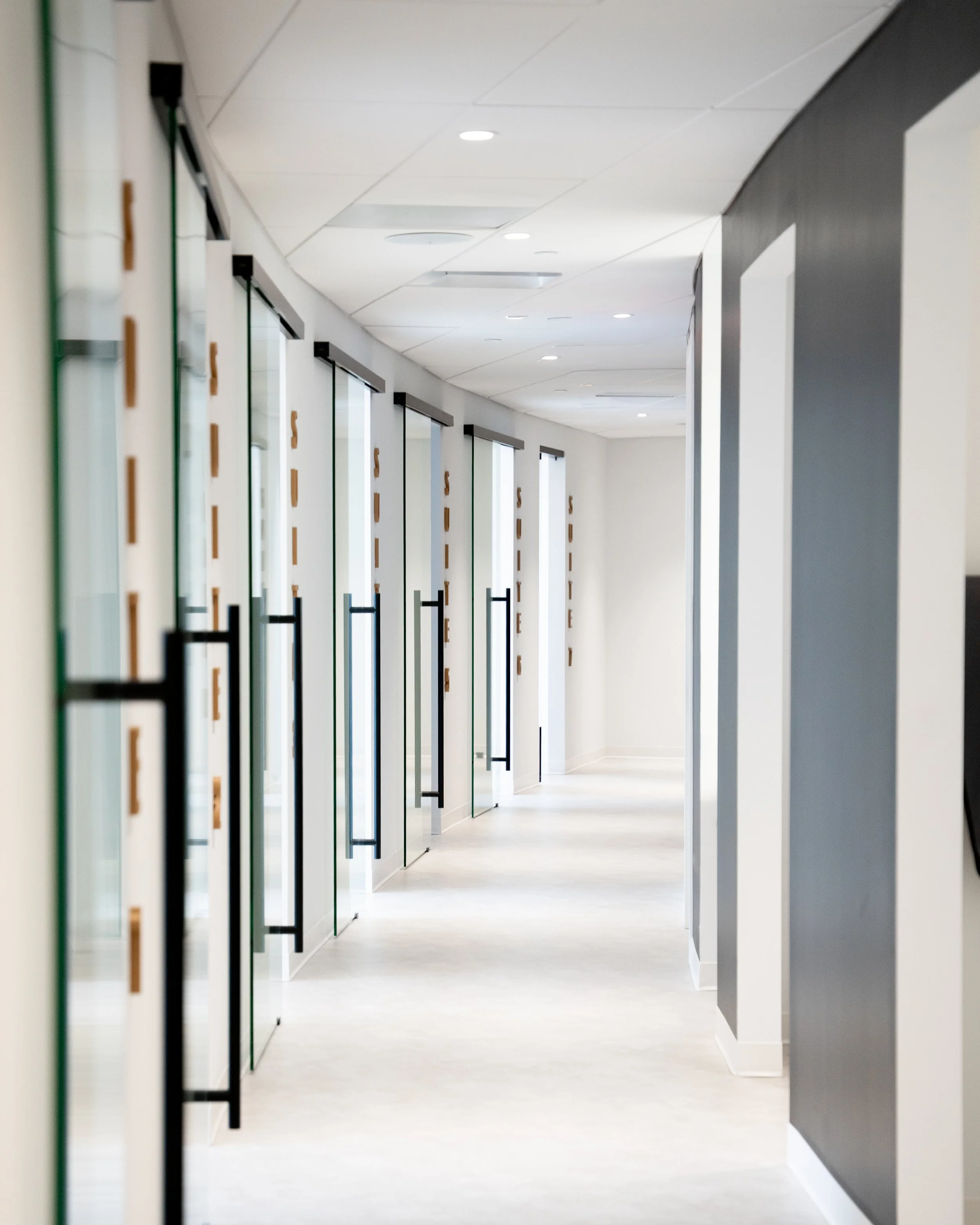
Clinical workflow and operational layout planning
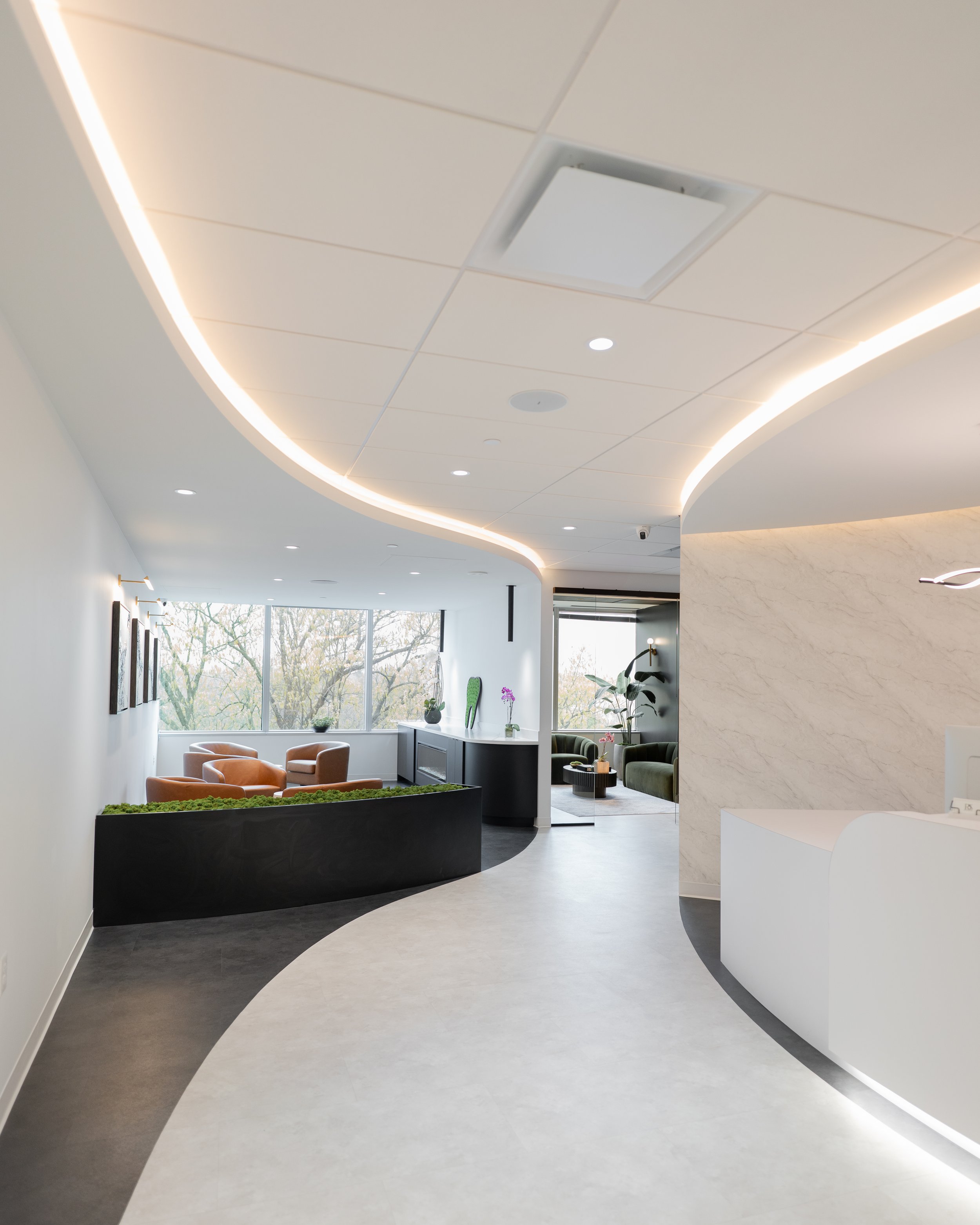
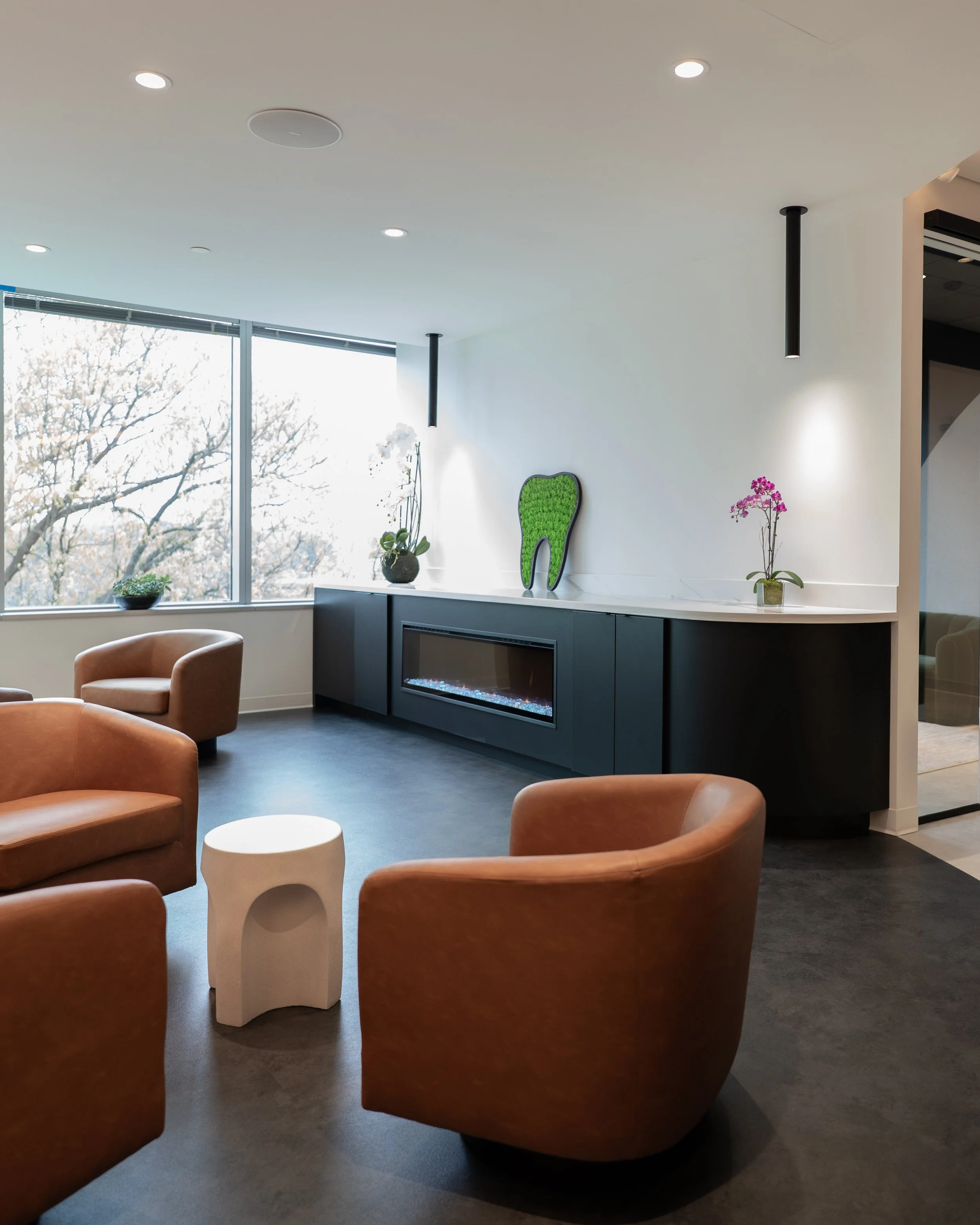
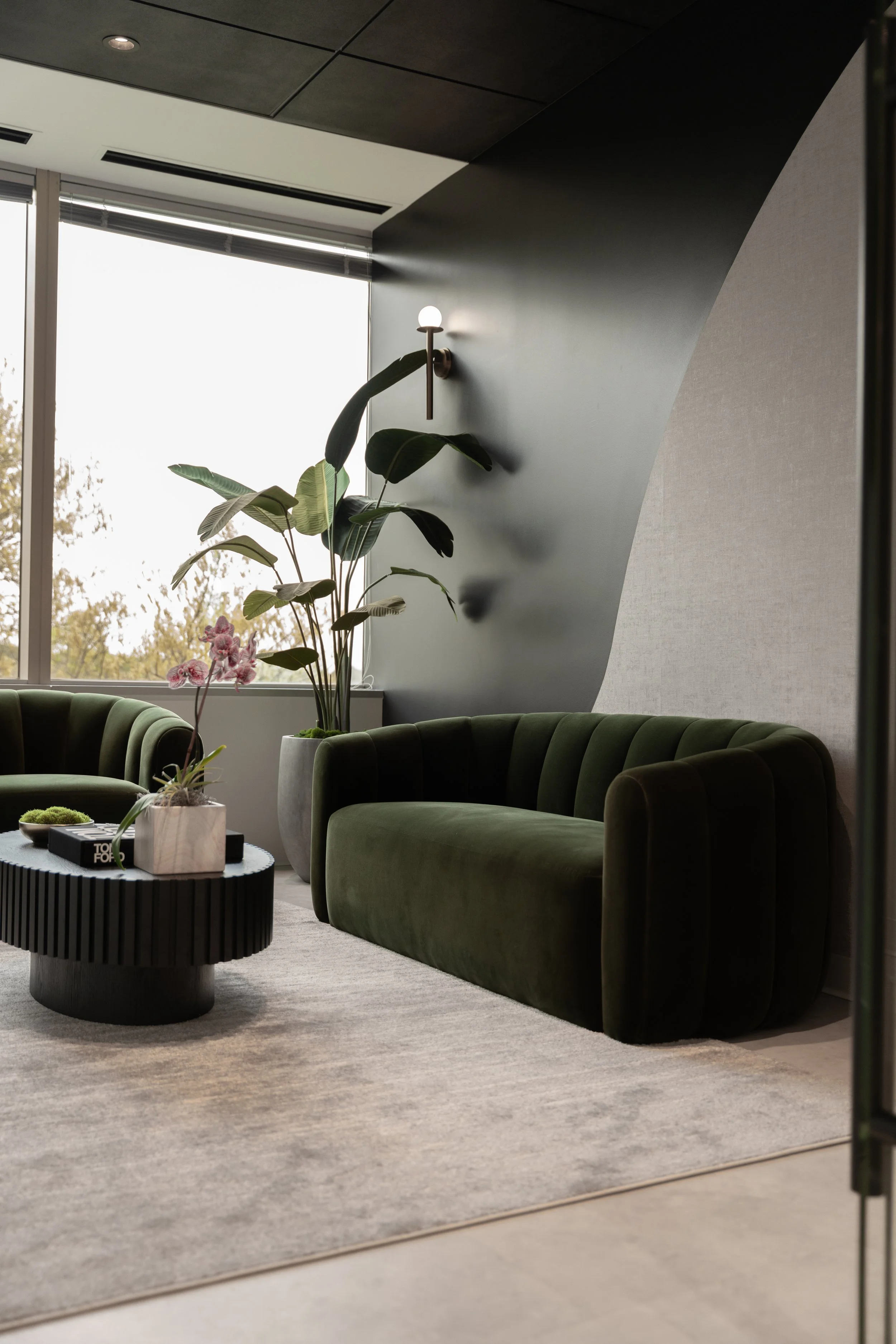
Sensory and sightline planning for treatment, consultation, and reception
Custom German millwork and dental cabinetry, manufactured in Pfalzgrafenweiler
Brand and identity integration inside the built environment
Design strategy for expansion, relocation, and repositioning
Kappler takes full builds only. Partial builds, interior-only engagements, and projects where a general contractor holds the design decisions are declined.
-
Dental office construction in Toronto covers a wide range: new build-outs inside mixed-use developments, renovations of established practices in older commercial and residential buildings, medical suites within planned corridors, and adaptive reuse in neighbourhoods in transition.
Each of those carries a different set of constraints, and in Toronto the constraint that catches most projects is the building rather than the design. Older stock in Rosedale and Yorkville frequently cannot support the mechanical and plumbing distribution a modern operatory layout requires without significant intervention. Ceiling heights limit what can be run overhead. Permitting operates on a timeline distinct from US markets, and it does not compress to suit a lease commencement date.
None of that is unusual. What causes damage is discovering it after a lease is signed, which is why Kappler assesses infrastructure capacity, structural condition, and access constraints during the real estate decision rather than after it.
WHO THRIVES HERE
The practices that perform in Toronto's private-pay corridors tend to share the same traits:
Established clinicians with strong referral networks and a clear philosophy about the patient experience
Practices serving a multicultural, internationally informed patient base with high design and service expectations
Clinicians who engage Toronto's regulatory environment early rather than encountering it mid-project
Practitioners building long-term practices in a city where patient relationships are often generational
Founders, or founder-and-spouse pairs, where both are involved in the design decision from the first conversation
-
Kappler builds Performance Architecture™: healthcare environments engineered for measurable clinical, operational, and emotional performance
In a dental practice that is not abstract. Sightlines determine what a patient looks at from the chair. Acoustic separation determines whether a treatment plan conversation can happen without the patient managing who else can hear it. Colour temperature and rendering index in the operatory determine whether a shade match holds under the light the clinician is actually working in. Cabinetry reach and instrument sequencing determine how many times an assistant turns her back to the patient during an appointment. Staff circulation determines how many steps a team walks in a day, and over a decade that is the difference between a team that stays and one that turns over.
None of those are finish decisions. They are clinical variables that architecture sets, and once the walls are up most of them are fixed for the life of the lease.
Kappler's position is that a healthcare environment should be held accountable to results. The space is designed to perform so that the people in it can. -
Most firms give an opinion. Kappler gives a diagnosis.
A Kappler assessment resolves a practice into a single figure out of one hundred, scored on site across ten design domains and measured against research benchmarks. The evaluation opens with branding and identity, the name, the logo, the language, the way the brand asserts itself at a reception desk, because that is the order in which a patient actually encounters a practice, long before any clinical decision is made. From there it moves inward through reception, treatment, sterilization, staff circulation, the sensory weight of the room, and the experience a patient carries home.
Each domain carries equal weight, and the ten map onto the disciplines Kappler holds in house. That correspondence is what makes the score a diagnosis rather than an opinion with a number attached.
For a clinician deciding whether to renovate, relocate, or rebuild, the Index is the fastest way to see which of those is actually the right answer.
-
Toronto is a city of distinct neighbourhoods, each with its own patient demographics, real estate dynamics, and design expectations. The corridors below are the environments where an integrated approach to dental office design in Toronto aligns with long-term practice performance.
Yorkville and Bloor-Annex: private-pay positioning, international clientele, design precision
Rosedale and Forest Hill: generational wealth, permanence, renovation-driven, older building stock
King West and Queen West: design-literate professionals, contemporary expression, adaptive reuse
Midtown, Davisville and Yonge-Eglinton: family-oriented private pay, community trust, new development
-
If you are evaluating a dental office build in Toronto, the planning decisions made before a contractor is engaged will shape everything that follows. Corridor selection influences patient demographics. Building condition influences what is feasible. Layout decisions affect operational efficiency for as long as the practice occupies the space.
Kappler works with established clinicians to coordinate architecture, interior systems, and cabinetry into a cohesive practice environment designed for long-term performance. The earlier that coordination begins, the more it protects.
FEATURED IN



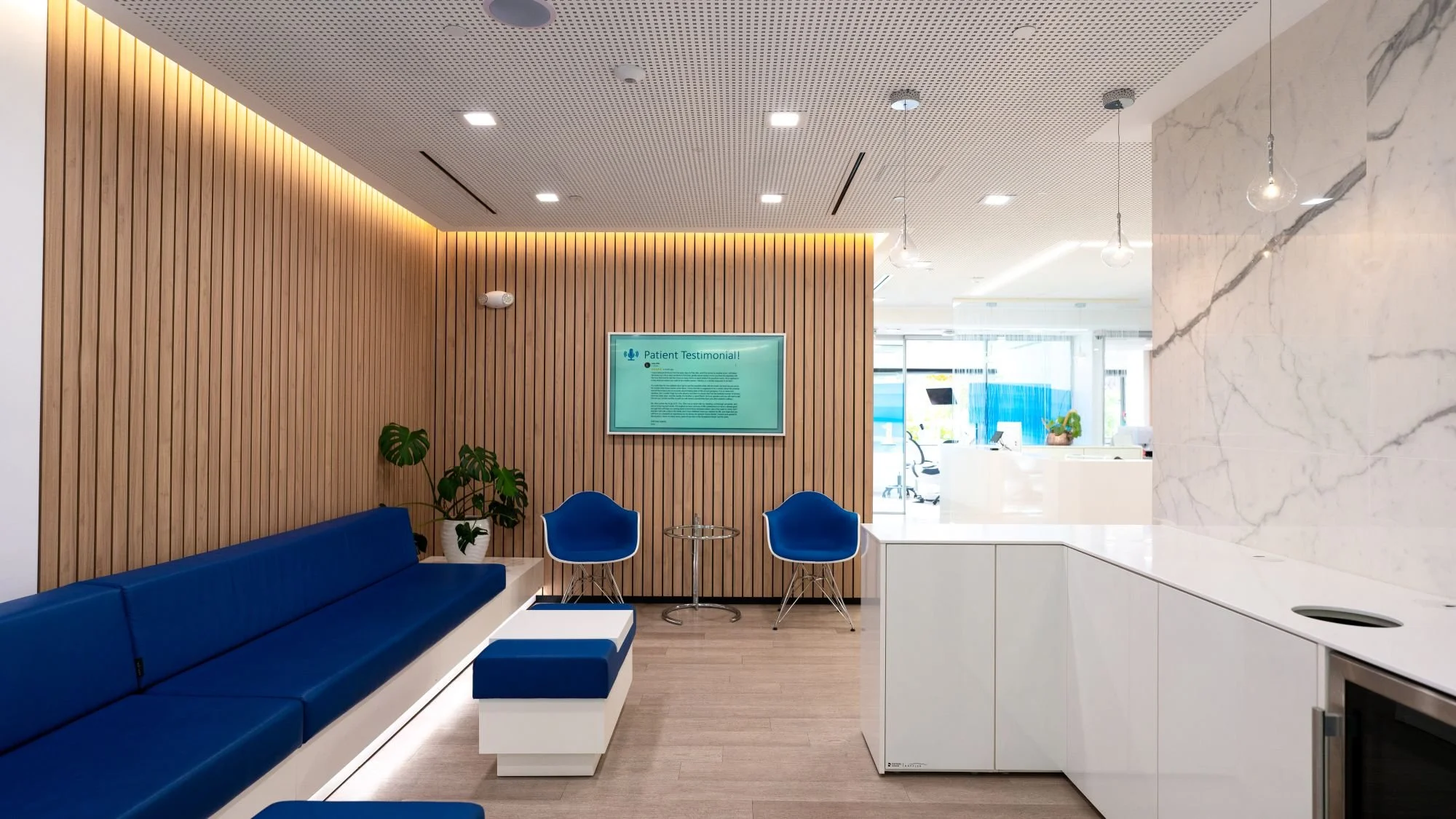
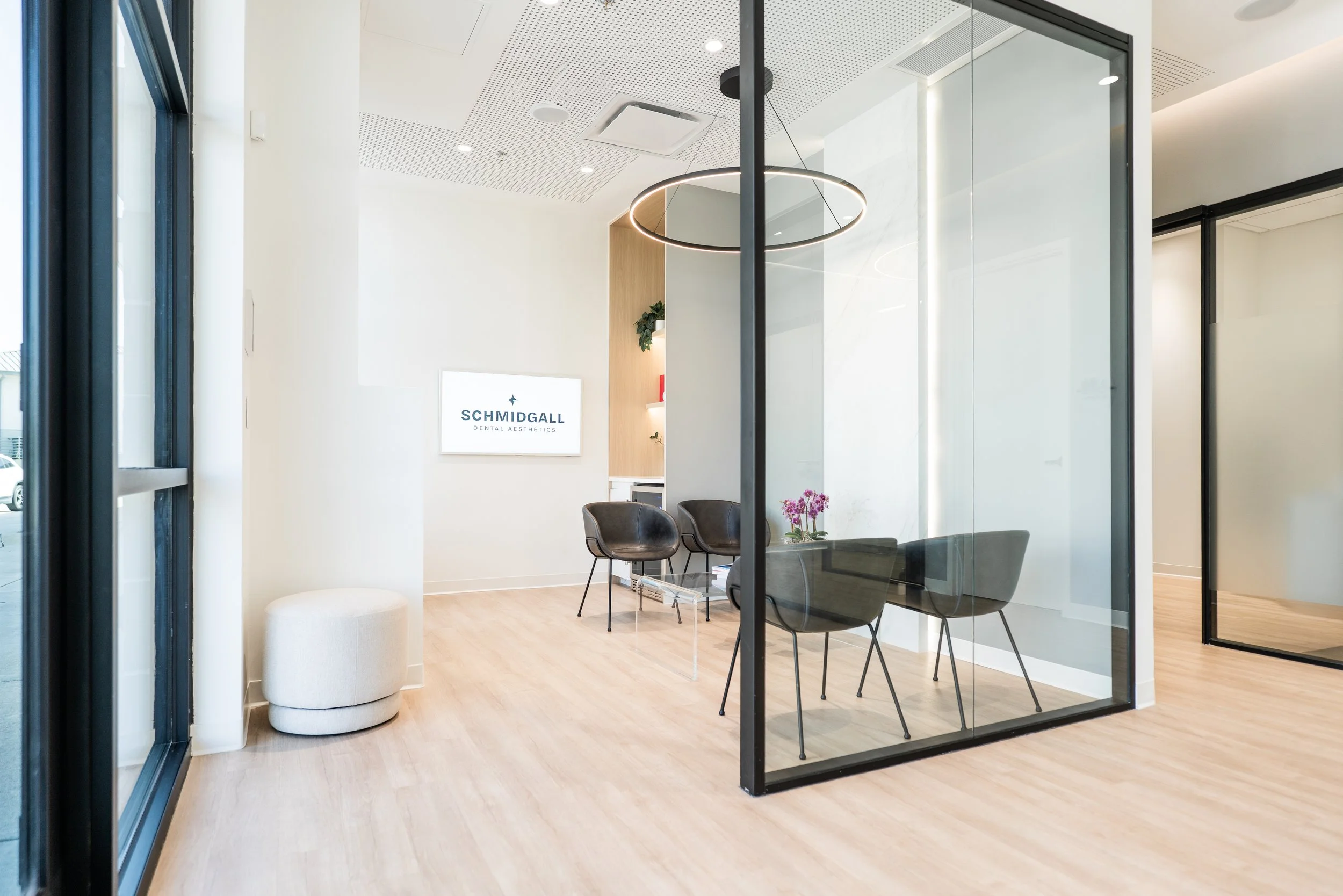
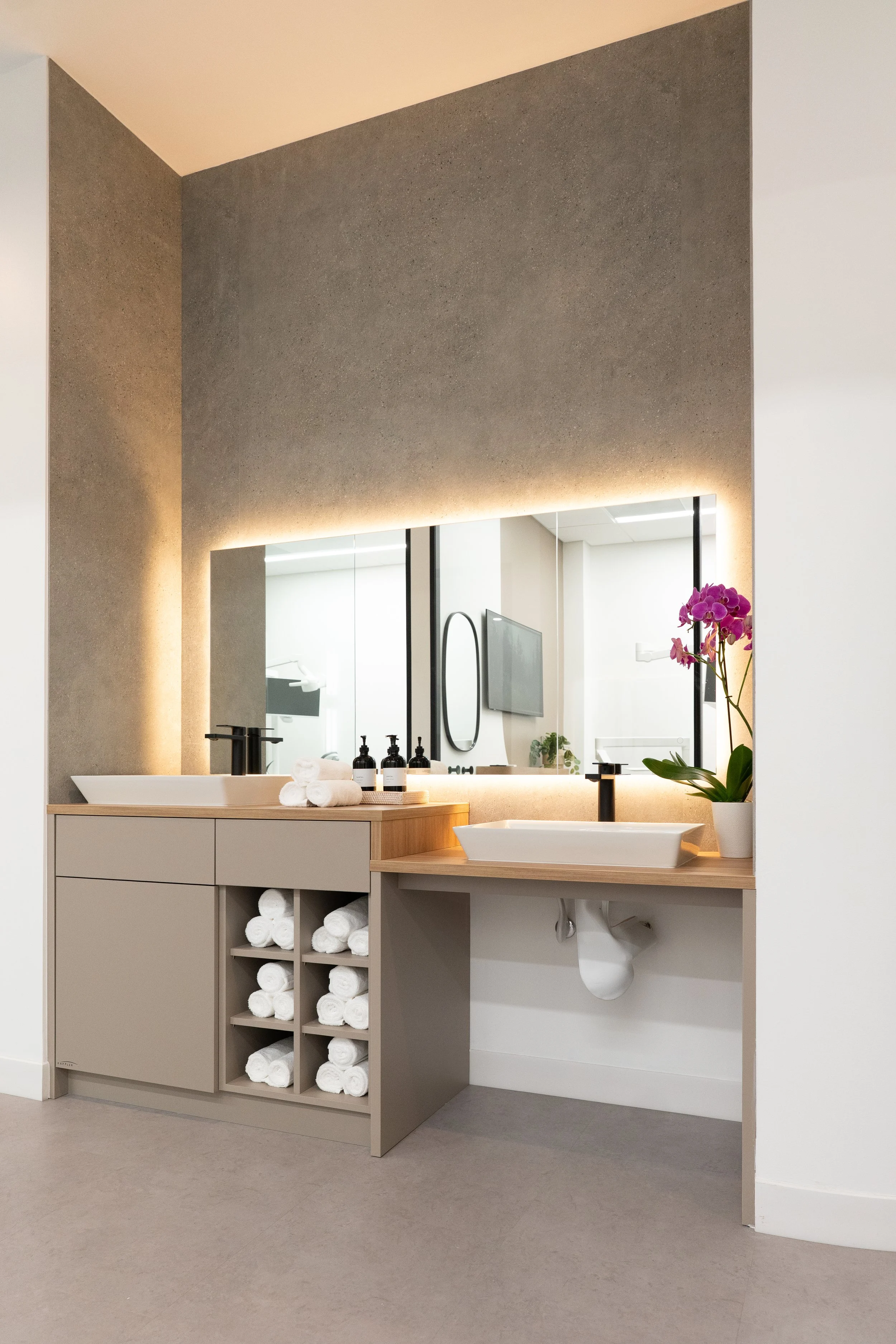
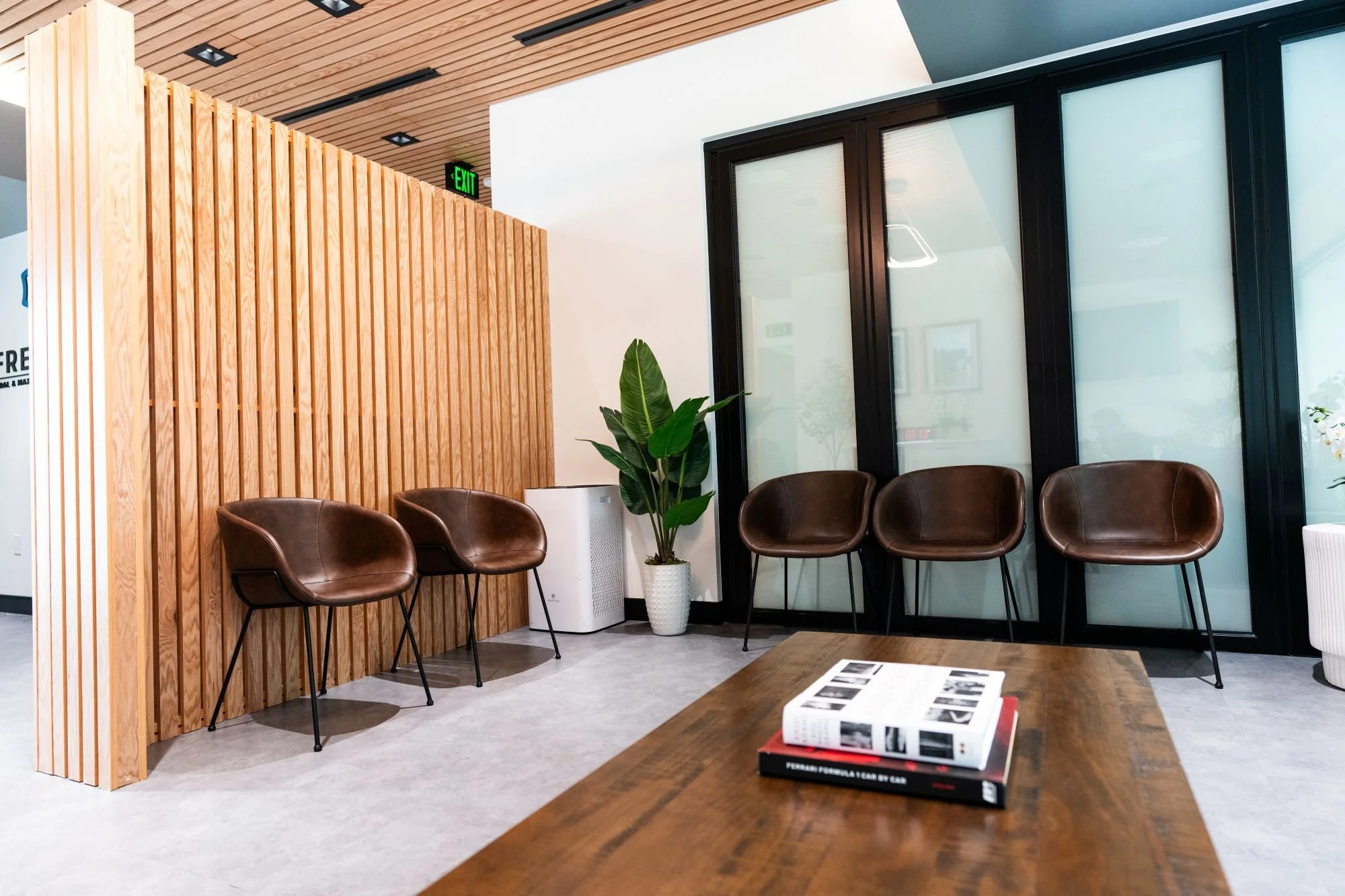
Patient demographics, building stock, and design expectation change materially between corridors. The pages below cover what each one asks of a practice.
COMMON QUESTIONS ABOUT DENTAL PRACTICE DESIGN IN TORONTO
-
Architectural planning, building permit coordination, dental facility compliance, mechanical and plumbing feasibility, equipment and operatory layout, sensory and acoustic planning, interior systems, and custom cabinetry. Toronto's permitting environment operates on its own timeline, distinct from US markets, which makes early planning particularly important.
-
Toronto's patient base includes a large multicultural and internationally educated professional class that evaluates clinical environments against a global standard. The city's architectural culture means spatial quality and material honesty are legible to patients at a level of nuance most markets do not require.
-
Planning should begin before a lease is signed. Toronto's permitting timelines and the complexity of working within older building stock both require early assessment. Infrastructure conditions in renovation-driven corridors like Rosedale and Yorkville can significantly affect what is feasible. Surfacing those conditions early protects both timeline and budget.
-
It means the environment is designed to produce measurable clinical, operational, and emotional outcomes rather than to look finished. Sightlines, acoustic separation, light quality, instrument reach, and staff circulation are treated as clinical variables set by architecture, not as finish decisions. Kappler designs against those variables and holds the built result accountable to them.
-
Every cabinet is manufactured on the Kappler millwork floor in Pfalzgrafenweiler, in the Black Forest, where the company has built since 1947. It ships to Toronto and is installed by Kappler. The cabinetry is not specified from a catalogue and it is not subcontracted.
-
No. Full ground-up builds and full rebuilds only. The outcomes Kappler is accountable for depend on decisions made at the architectural level, which is why partial engagements are declined.
-
Kappler works across Toronto's private-pay corridors including Yorkville, Rosedale, Forest Hill, King West, Queen West, and Midtown. Each corridor requires a distinct approach based on patient demographics, building conditions, and design expectations.
GET IN TOUCH
Are you ready to transform your practice? Let us dream big together, reach out today and take the first step toward your future.