
DESIGNING A DENTAL PRACTICE IN TRIBECA
Tribeca is defined by restraint. Its architecture favors scale over spectacle, and its residents value quality that does not announce itself. Practices that succeed here understand that visibility is less important than credibility. Luxury, in this context, is felt more than it is described. This guide is for established clinicians expanding into Tribeca, repositioning an existing practice, or building a second or third location with long-term brand consistency in mind.

THE TRIBECA PATIENT PROFILE
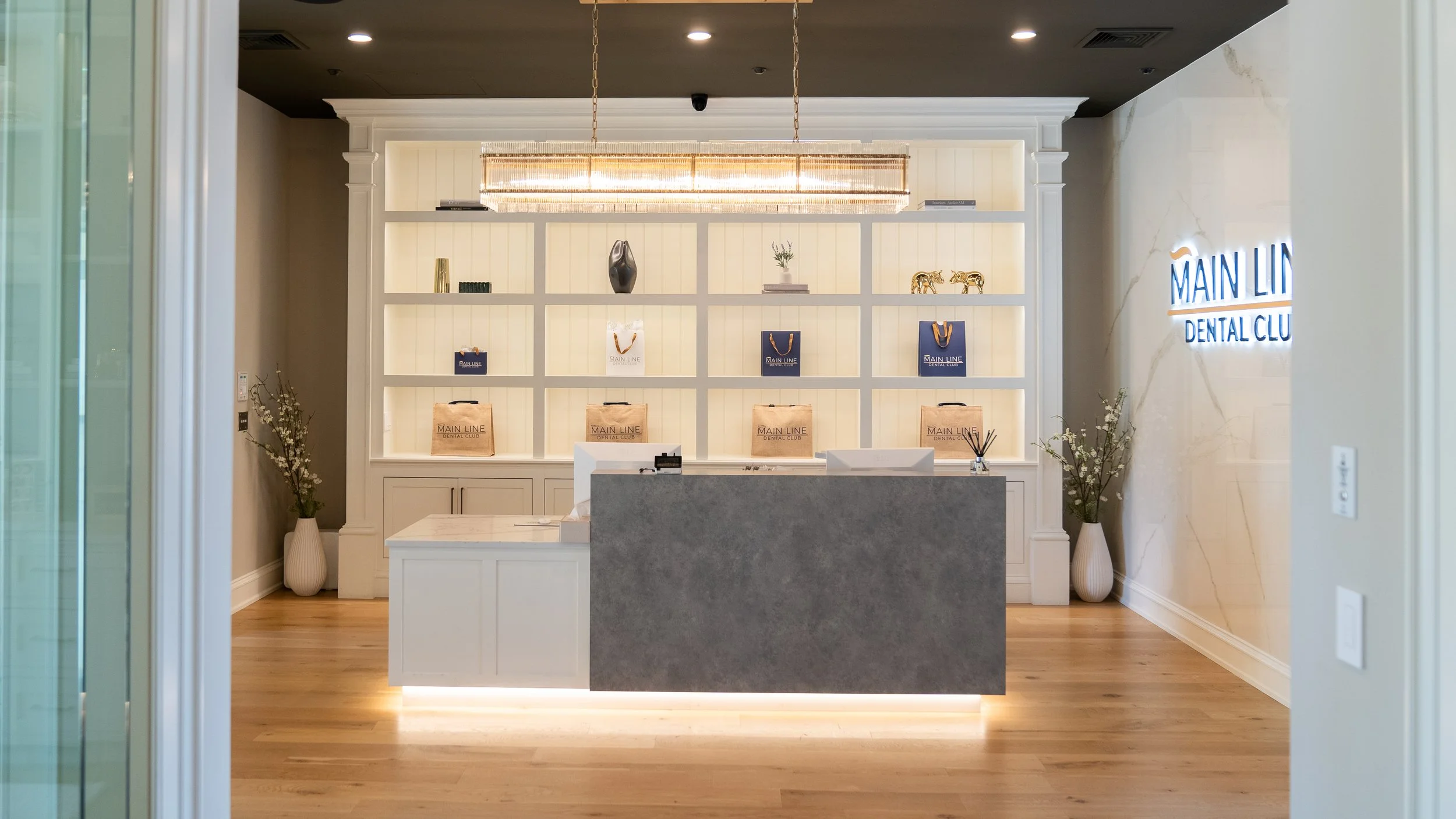
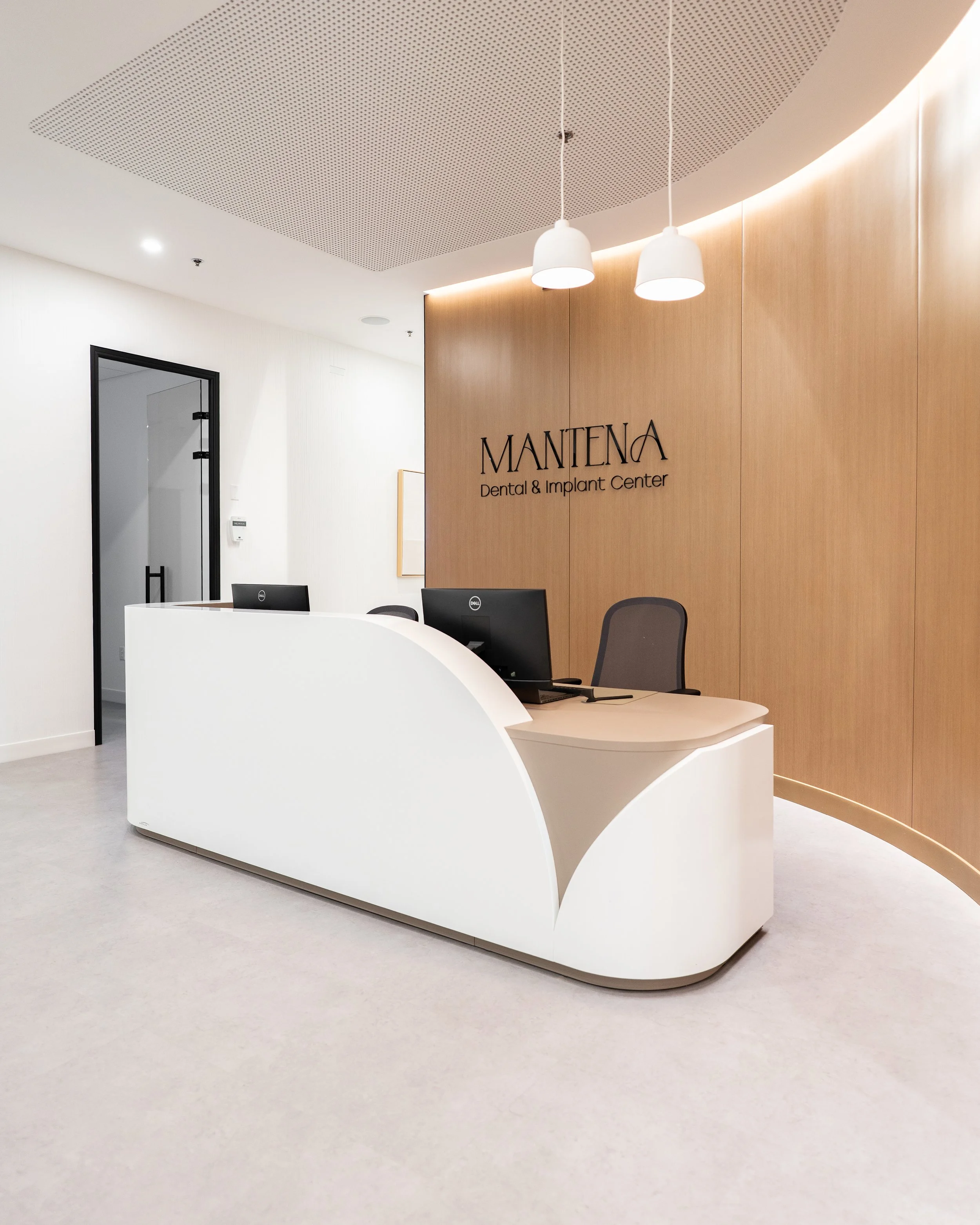
Tribeca attracts established professionals, families, and long-term residents who prioritize discretion and consistency. Patients tend to be outcome-focused and time-sensitive. They expect competence without performance and design that supports comfort without distraction. The most successful practices feel calm, composed, and quietly high-touch. More hospitality than retail.
-
Private, unhurried reception
Waiting that doesn’t feel like waiting
Comfort, cleanliness, and calm in operatories
A visual language that reads as architectural, not branded
-
Private-pay models succeed when supported by trust and continuity. Patients are less price-sensitive and more experience-sensitive. Practices often expand by deepening relationships and reputation rather than increasing volume. This neighborhood rewards stability: a practice that feels established, even when it is newly built.
-
Tribeca spaces frequently occupy converted industrial buildings or older residential structures. Ceiling heights, column placement, and natural light vary widely. Mechanical constraints can shape layout decisions more than most teams expect. Every square foot must justify its purpose, especially in back-of-house areas that determine operational ease.
-
Design in Tribeca leans toward understated materials, warm palettes, and architectural clarity. The strongest spaces feel edited: fewer gestures, better executed. Over-branding, trendy finishes, or aggressive visual statements tend to feel out of place. The goal is credibility, not novelty.
-
Separation between public and clinical zones.
Privacy at points of arrival and transition.
Acoustic control where possible.
A flow that reduces friction for both staff and patients
-
Many Tribeca properties involve additional approval considerations. Landmark or historic district conditions may be present, and building coordination can be as influential as municipal permitting. Projects move faster when documentation is precise and expectations are set early with all stakeholders.
FEATURED IN






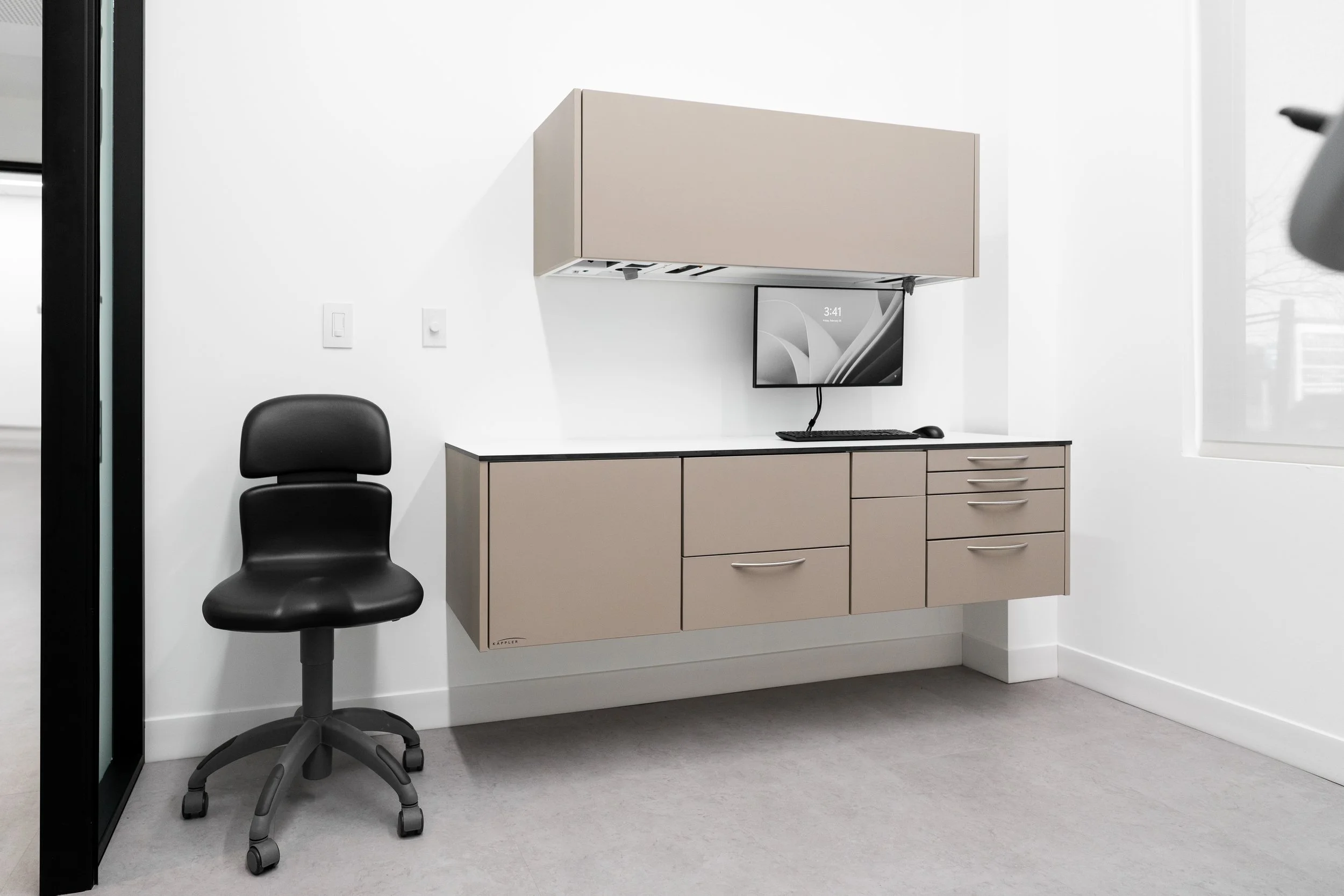
CABINETRY AND DETAIL EXECUTION
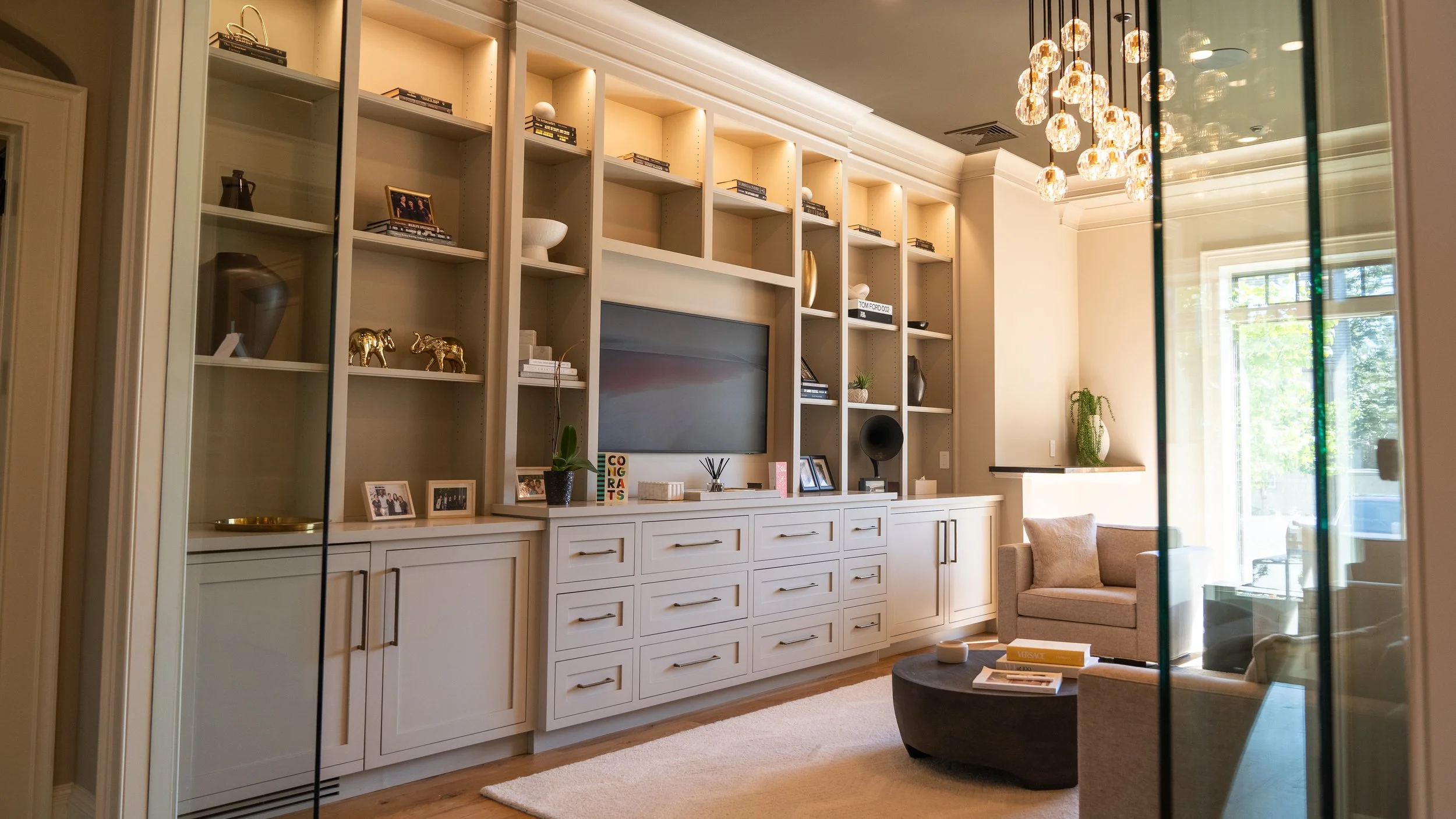
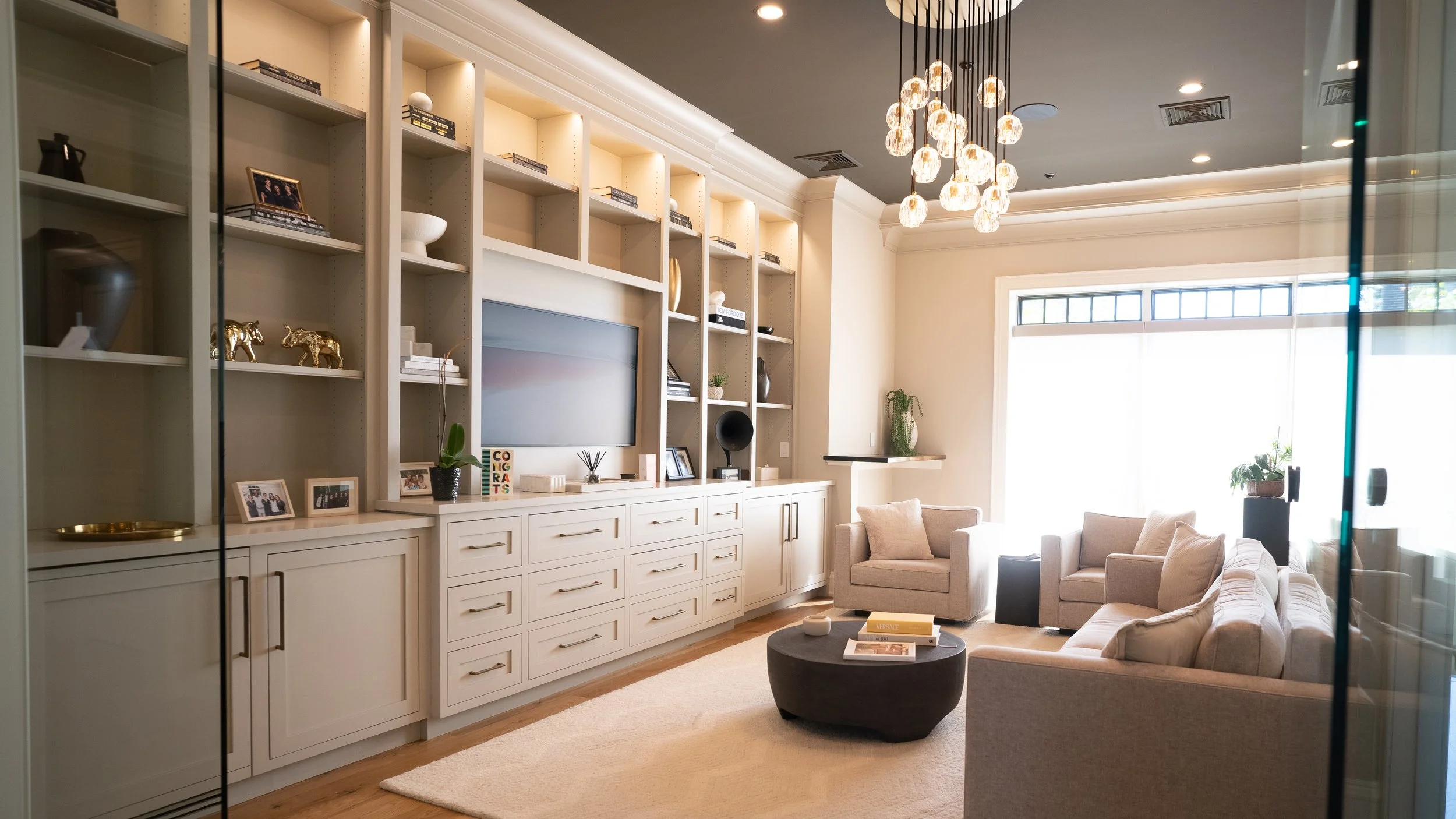
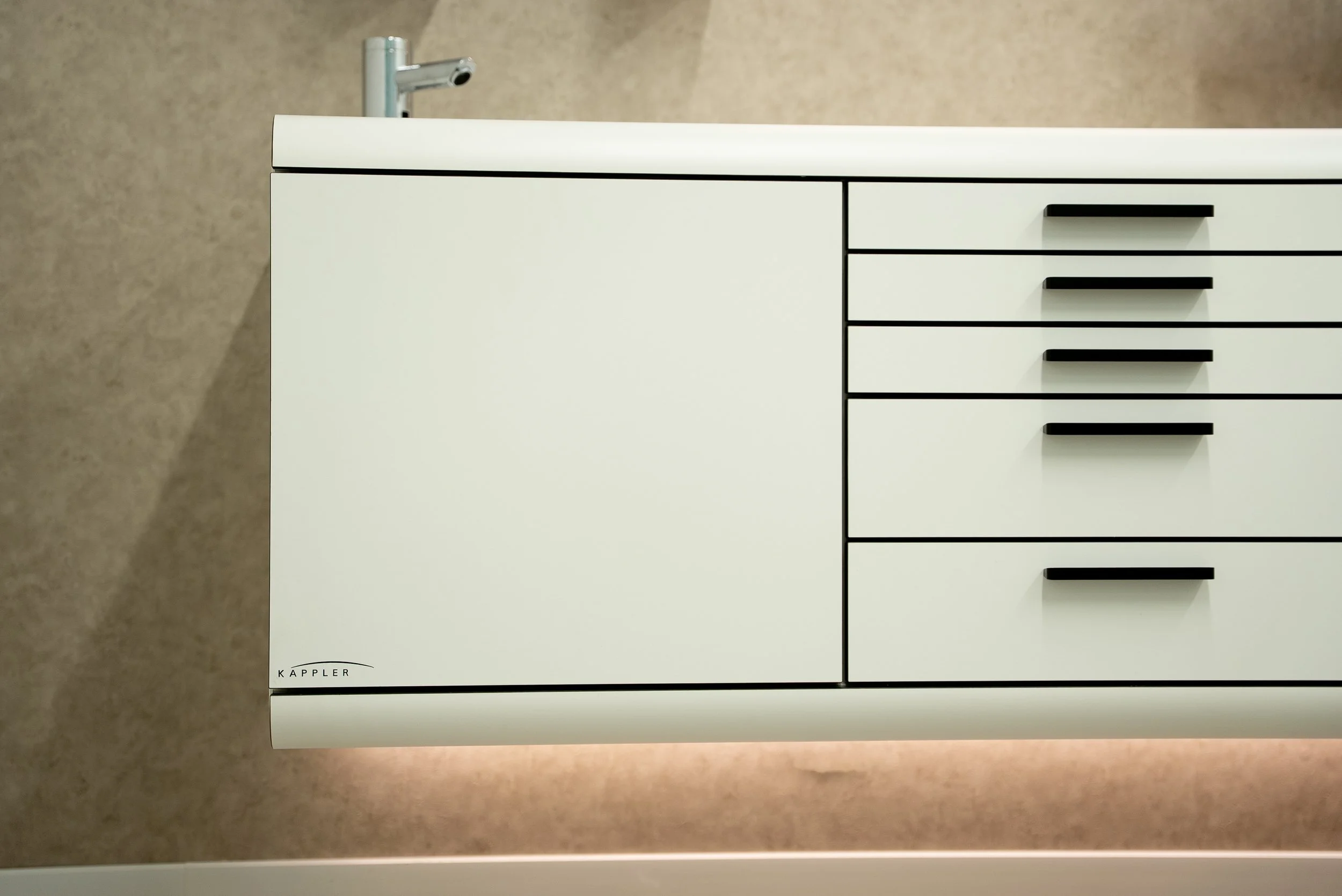
Tribeca is unforgiving of shortcuts. Details read immediately: alignment, hardware, lighting integration, finish transitions. Cabinetry and millwork are not accessories here. They are part of the architecture.
Who Thrives Here
Established clinicians expanding into second or third locations
Practices that value long-term brand integrity over rapid growth
Operators who recognize that the built environment is part of the patient relationship
In neighborhoods like Tribeca, a practice is experienced as much as it is delivered. The environment becomes an extension of the clinical brand. Kappler’s integrated approach unites architectural planning, construction coordination, interior detailing, and custom cabinetry within a single framework—ensuring every element works together so the finished practice functions as a cohesive, considered system.


GET IN TOUCH
Are you ready to transform your practice? Let us dream big together, reach out today and take the first step toward your future.