
DENTAL PRACTICE DESIGN IN KING WEST AND QUEEN WEST
King West and Queen West attract a younger, design-literate professional demographic across creative industries, technology, and finance, that is increasingly investing in private-pay healthcare. These corridors reward practices that feel contemporary and intentional without being trend-driven. Patients here evaluate spaces on design intelligence and authenticity, and they notice immediately when a practice was designed for a different audience.

THE KING WEST AND QUEEN WEST PATIENT PROFILE
In markets like King West and Queen West, the practice environment becomes part of the clinical brand. Kappler's integrated approach brings architectural planning, construction coordination, interior detailing, and custom cabinetry into a single framework so the finished practice performs as a unified system.
-
Adaptive reuse opportunities are common in King West and Queen West. Converted industrial buildings, historic commercial properties, and mixed-use developments offer strong architectural character but require thoughtful infrastructure planning. Mechanical systems in older buildings may need significant upgrading to support dental-specific requirements. Ceiling conditions, column spacing, and structural constraints shape layout options in ways that require early assessment.
The strongest practices in these corridors treat the existing architectural character as an asset rather than a constraint. Exposed structure, generous ceiling heights, and honest industrial materials become the foundation for a design that feels genuinely rooted in the neighborhood.
-
Dental office design in King West and Queen West works best when it engages the architectural conditions of the space rather than covering them. Contemporary material language, precise detailing, and spatial honesty earn more credibility in these corridors than applied finishes that simulate a character the building does not actually have.
Design that works with the existing architectural character rather than importing a foreign aesthetic
Contemporary material language that feels confident without anchoring to a specific trend moment
Cabinetry that integrates into the spatial language of the building
Operational efficiency built into the layout from the start, supporting a patient base accustomed to seamless experiences
-
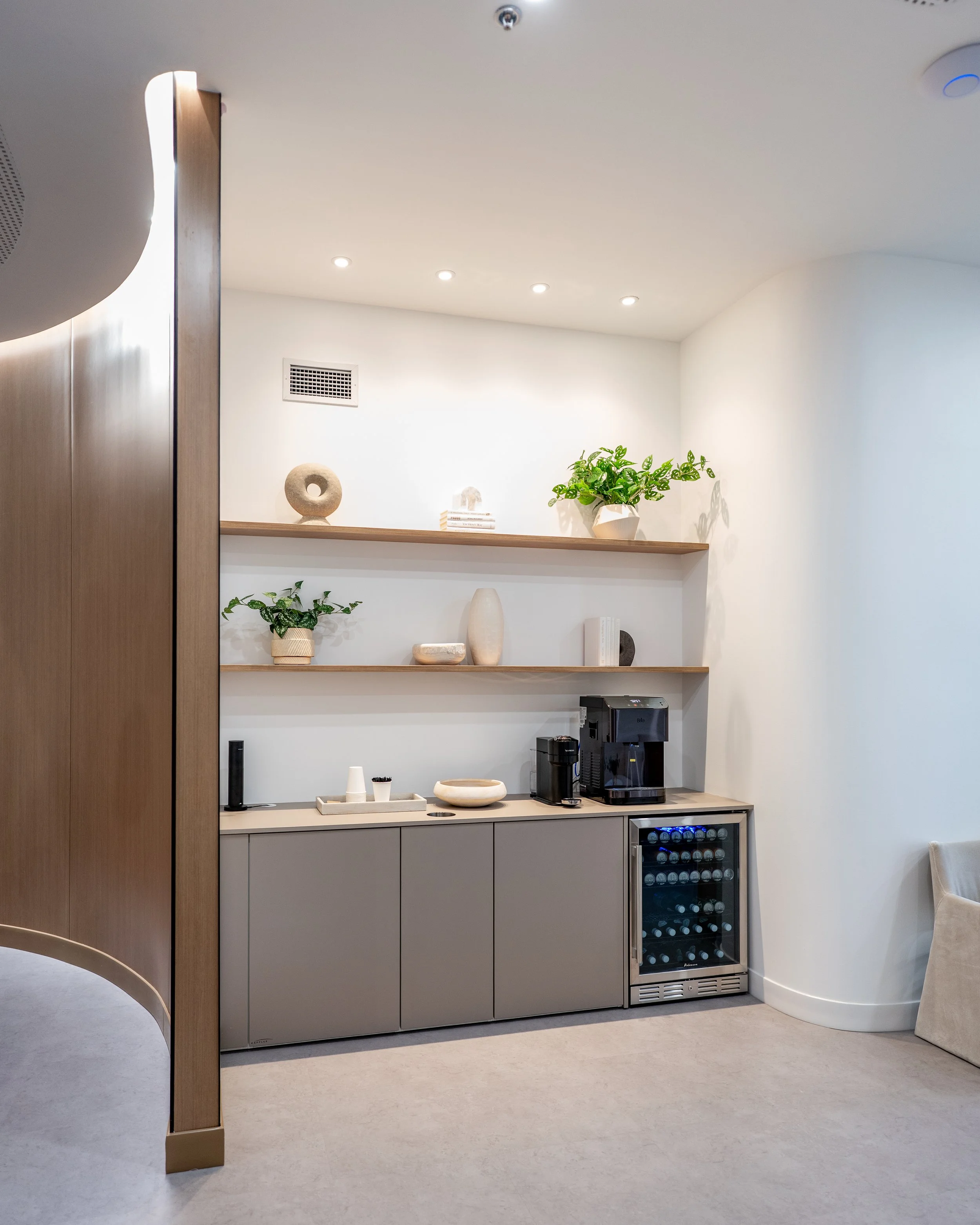
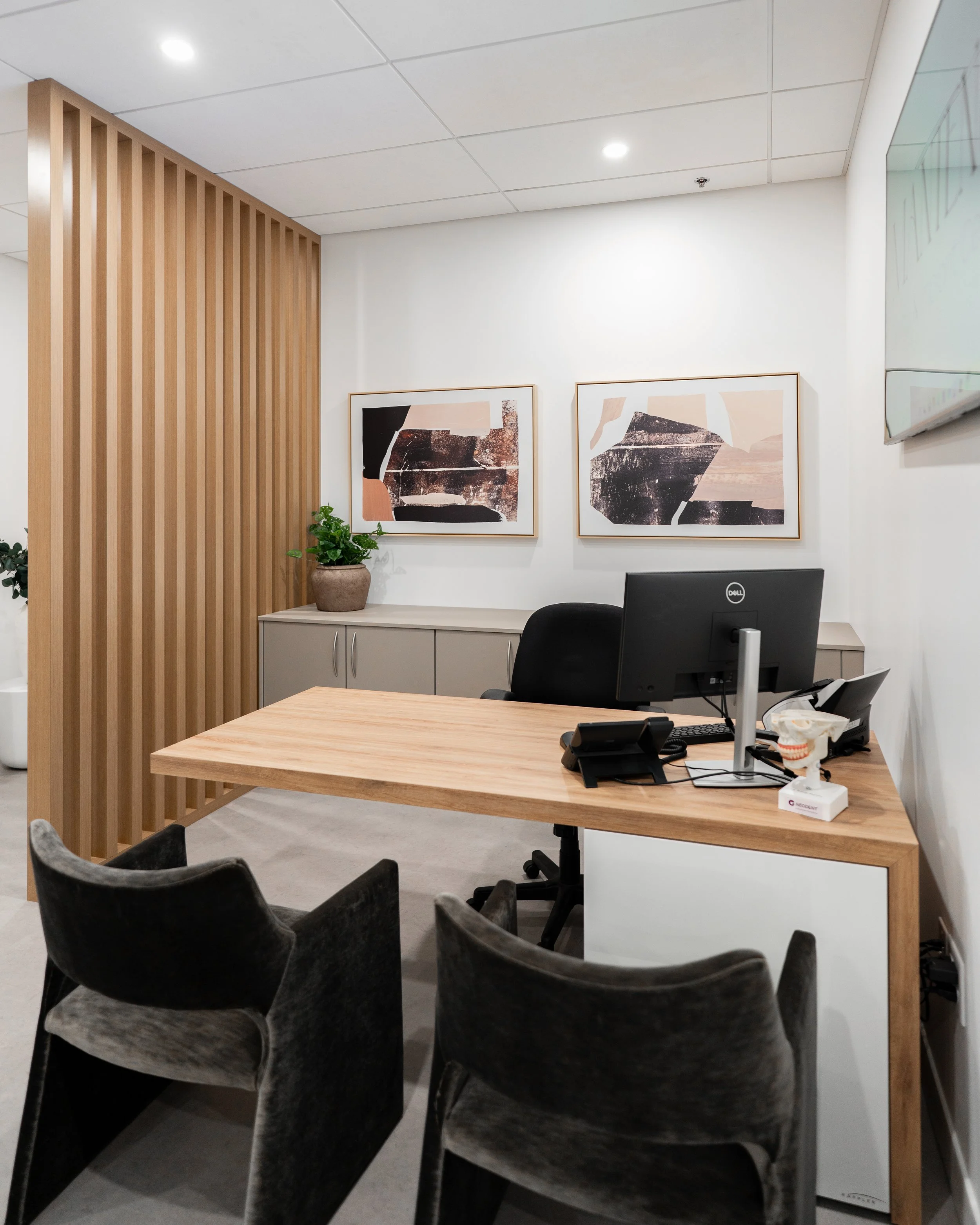
In King West and Queen West practices, cabinetry systems need to accommodate both current clinical requirements and future evolution. Custom solutions with built-in flexibility, thoughtful electrical routing, adaptable storage configurations, and durable material selection, allow practices to evolve without constant renovation while maintaining the visual coherence this patient demographic expects. Kappler's integrated approach ensures cabinetry and infrastructure planning work together from the outset.
-
Practices entering these corridors with a clear design point of view and genuine market understanding
Clinicians serving a creative and professional patient demographic with high design expectations
Operators comfortable with the planning complexity that adaptive reuse environments require
FEATURED IN



GET IN TOUCH
Are you ready to transform your practice? Let us dream big together, reach out today and take the first step toward your future.